
 English
 Español
 日本語
 русский

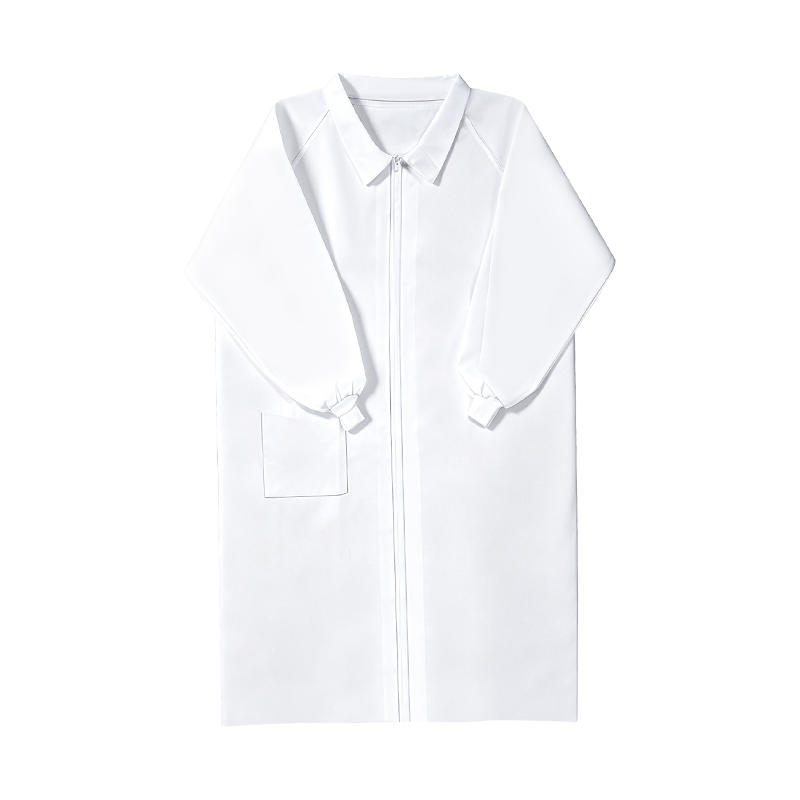
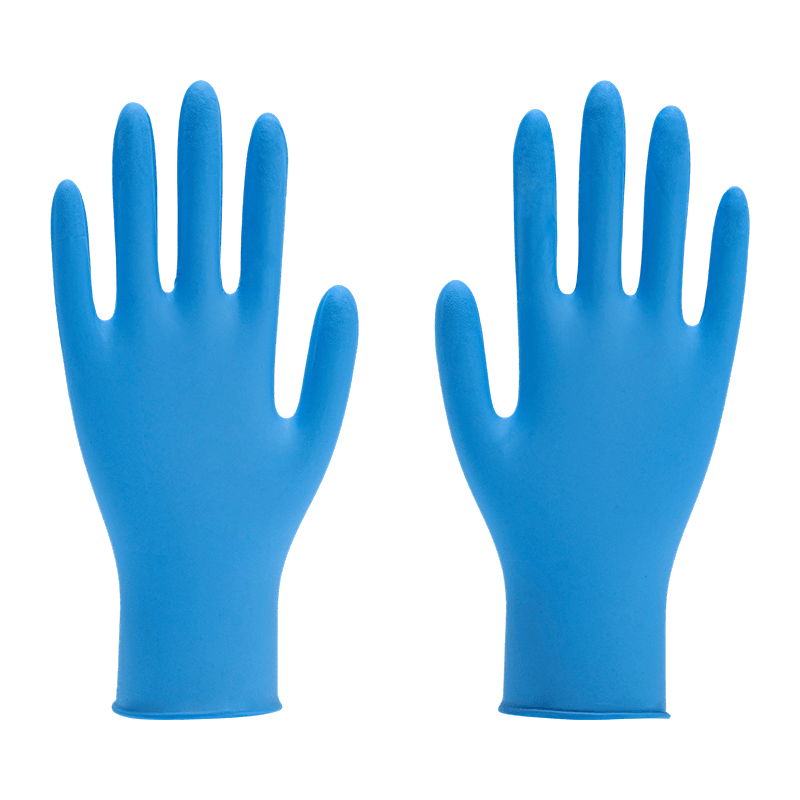
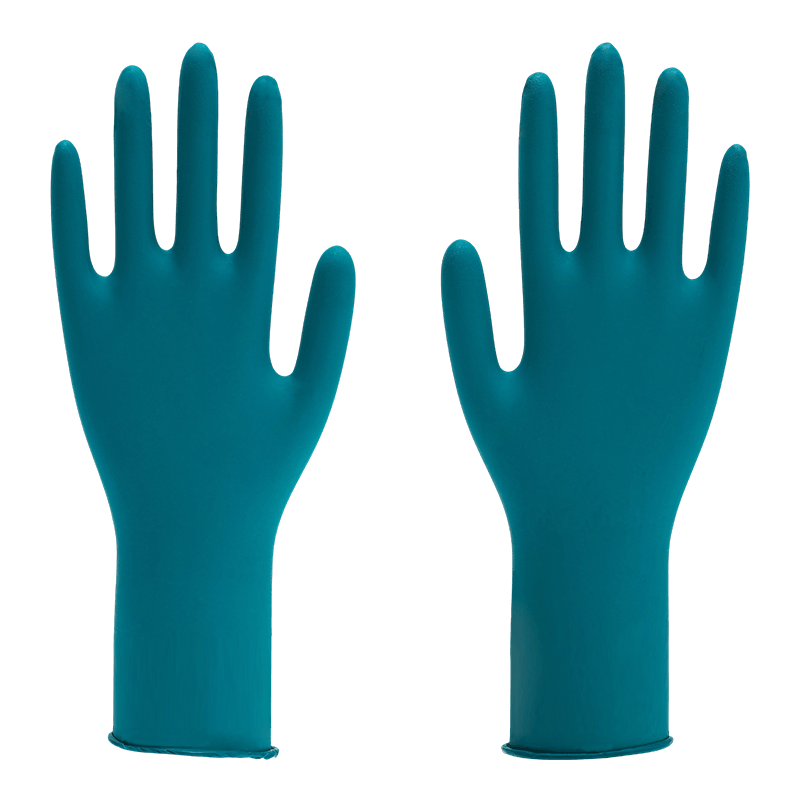
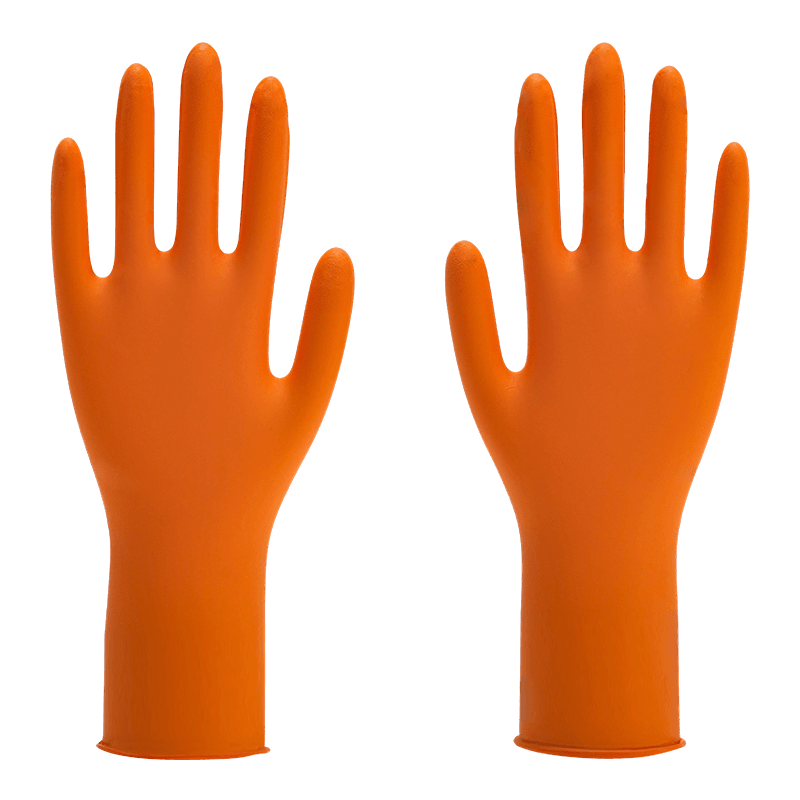
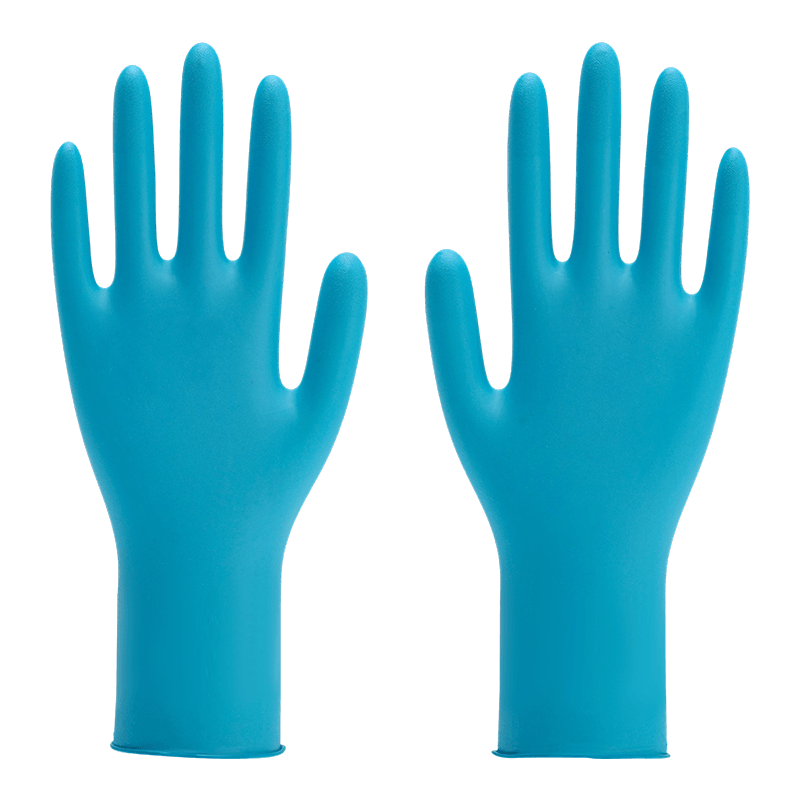
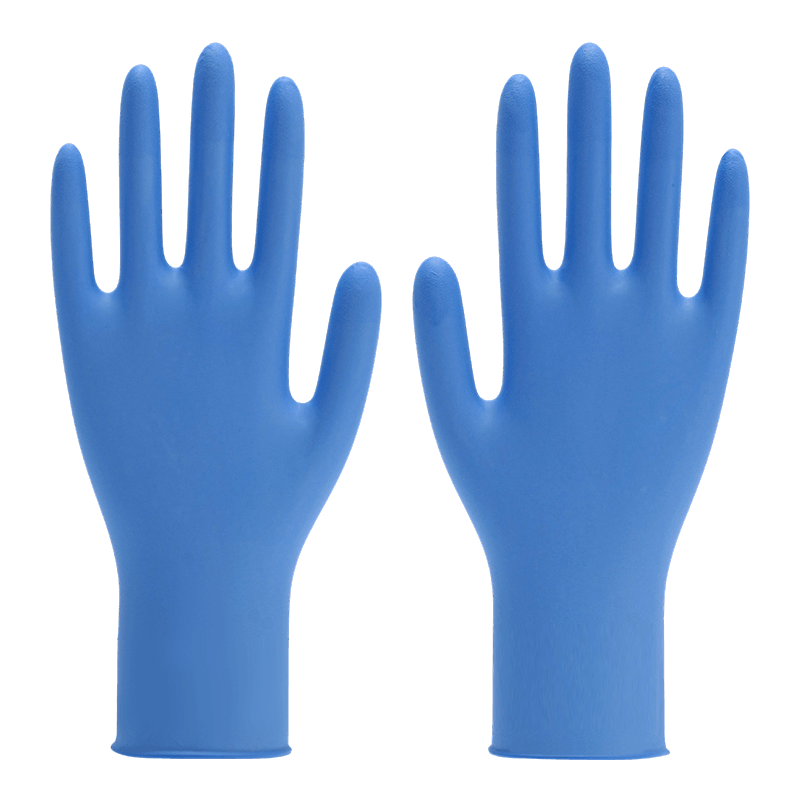
Every shift, a single clinician can go through a dozen or more pairs of medical nitrile gloves while moving from patient exams to wound care to IV adjustments. Behind those individual pairs sits a pr...
READ MORE
News Category
Product Category
High-Performance Non-Woven Protective Suits for High-Risk Medical and Biosecurity Applications
In hospitals, laboratories, emergency response teams, epidemic prevention programs, and other high-risk environments, protective clothing is a critical part of occupational safety. Medical personnel may encounter infectious droplets, aerosols, contaminated fluids, microorganisms, dust, and other hazards during patient care, sampling, disinfection, isolation, and waste-handling procedures. In these situations, ordinary workwear or loosely fitted disposable gowns may not provide the level of coverage and barrier performance required for reliable protection. A properly designed non-woven protective suit must combine full-body coverage, material strength, fluid resistance, wearer mobility, cleanliness, and manufacturing consistency.
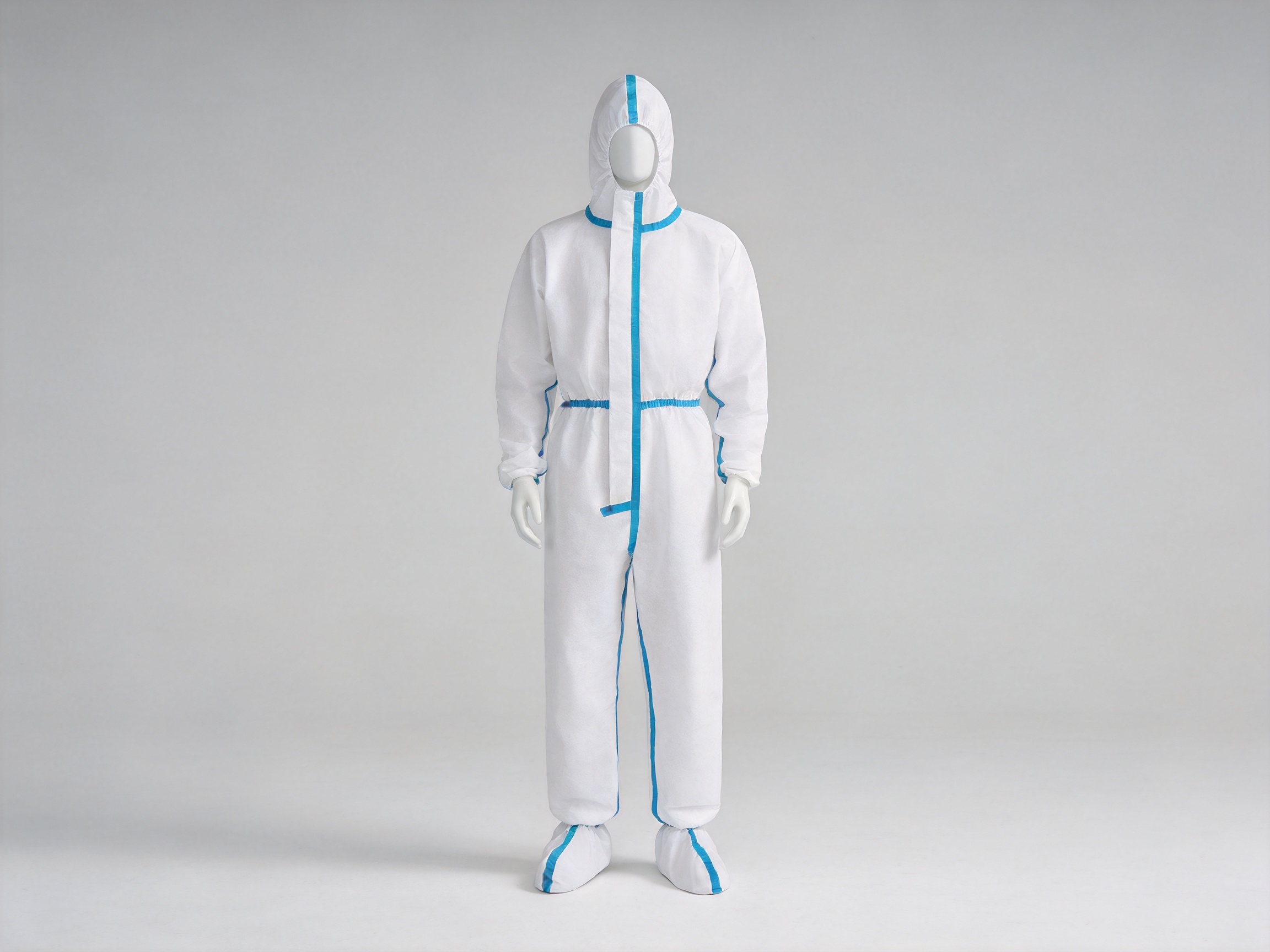
This disposable medical coverall is designed as a high-level protective solution for demanding medical and epidemic prevention environments. Its one-piece construction, fully enclosed hood, integrated body coverage, and leak-resistant design help create a continuous protective barrier from the head and neck to the wrists, ankles, and torso. The suit is intended for high-risk applications such as infectious disease wards, fever clinics, nucleic acid sampling, respiratory infection response, disinfection, epidemic prevention, close-contact tracing, and other procedures where the risk of exposure is elevated.
Unlike basic disposable coveralls that may focus primarily on dust control or general cleanliness, this product is developed around comprehensive isolation. Its medical-grade non-woven material is selected to support waterproof performance, breathability, tear resistance, low lint generation, and stable wear. The result is a protective garment that supports both infection-control objectives and the practical needs of medical professionals who may need to wear protective clothing for extended periods.
Manufactured by Jiangsu Complete Sincerity Medical New Materials Co., Ltd., the protective suit benefits from a large-scale medical-product manufacturing platform, standardized production environments, strict process supervision, and extensive experience in medical examination gloves and non-woven products. The company combines high-capacity production resources with quality-management systems and a broad portfolio of recognized international standards and certifications. This combination helps customers source protective clothing from a manufacturer capable of supporting demanding quality, supply, and compliance requirements.
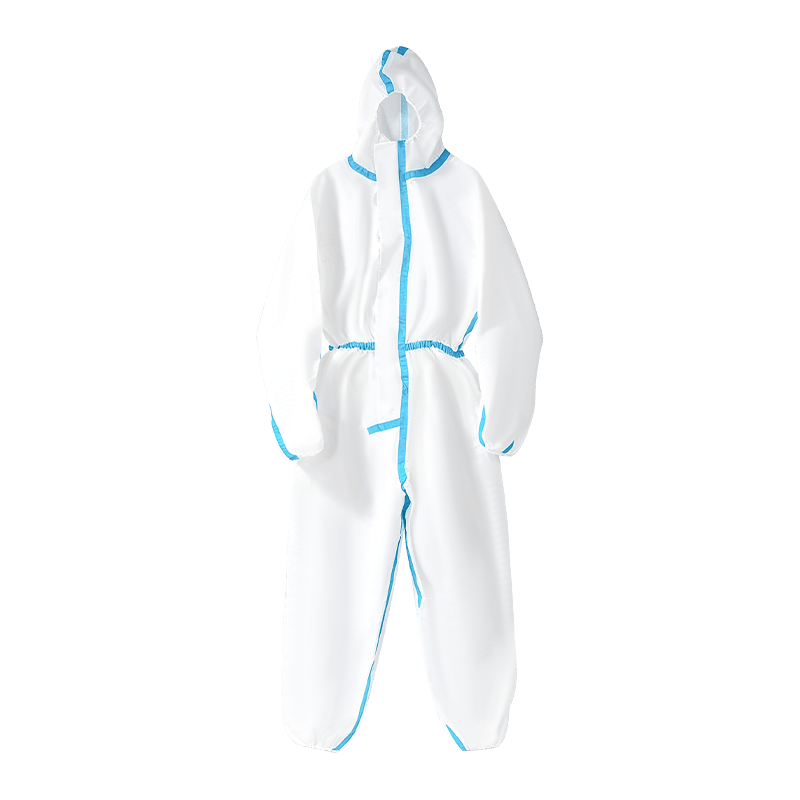
Non-woven protective suit
Designed for Full-Body Protection
The most important characteristic of a high-risk protective suit is the continuity of its protective barrier. Gaps around the neck, wrists, ankles, waist, or back may compromise the effectiveness of otherwise suitable protective clothing. This coverall uses a one-piece construction to reduce exposed transitions between separate garments. Its fully enclosed hood extends protection over the head and neck, while the body section provides coverage for the torso and limbs.
A full-body design is particularly valuable during procedures that involve close contact, splashing, aerosol-generating activities, or contaminated surfaces. Healthcare professionals may lean forward, raise their arms, bend at the waist, walk between rooms, or perform repetitive movements. A one-piece suit helps maintain coverage during these activities and reduces the need to repeatedly adjust separate pieces of clothing.
The enclosed hood also supports a more complete isolation system when used with suitable respiratory protection, eye protection, gloves, and footwear covers. Protective clothing should always be selected as part of a complete personal protective equipment program. Nevertheless, the hooded coverall provides an important foundation by reducing exposed skin and helping connect the upper-body barrier with other items used in infection-control procedures.
The design is suitable for environments where protective clothing must do more than prevent visible contamination. In high-risk medical settings, the garment must help manage contact with droplets, aerosols, body fluids, dust, and potentially contaminated surfaces. Its coverage is intended to support procedures where exposure may occur from several directions and where the wearer cannot rely on a clean, controlled environment.
Protection from Multiple Exposure Routes
Exposure in a medical or biosecurity environment can occur through direct contact, splash, droplet deposition, aerosol movement, or contact with contaminated equipment. A protective suit cannot eliminate every risk by itself, but a properly constructed coverall can serve as an important barrier between the wearer and the surrounding environment.
The material and construction of this suit are intended to support protection against droplets, aerosols, viruses, bacteria, pathogenic microorganisms, and contaminated bodily fluids. The high-strength waterproof and leak-resistant characteristics help reduce the likelihood that liquid contamination will penetrate the garment under appropriate use conditions. This is especially important in infectious disease wards, fever clinics, sampling areas, and disinfection operations where fluids may be present.
Protection depends on more than fabric selection. Seams, closures, cuffs, hood connections, and other structural details also influence overall performance. For this reason, the suit is designed as an integrated protective system rather than simply a sheet of non-woven material. The one-piece structure and enclosed hood help support consistent coverage, while the durable material is intended to remain functional during movement and routine work activities.
Protection for High-Risk Medical Procedures
Many medical procedures involve a combination of close contact, unpredictable movement, and potential contamination. Patient examination, respiratory infection response, specimen collection, disinfection, and emergency treatment may expose healthcare workers to conditions that are difficult to control. In these circumstances, protective clothing should provide a high degree of coverage without creating unnecessary distractions or frequent garment adjustments.
This coverall is suitable for high-risk departments and procedures that require enhanced protective measures. Typical use environments may include infectious disease units, fever clinics, nucleic acid sampling stations, epidemic prevention teams, isolation areas, laboratories, and selected industrial or biosafety operations. The specific suitability of a garment should always be confirmed against the task, hazard assessment, local regulations, and required performance standards.
For healthcare organizations, this broad application range can simplify procurement. Instead of sourcing one garment for general contamination control and another for higher-risk activities, buyers may select a high-level coverall that can support a wide range of controlled-use applications. This can help standardize training, storage, distribution, and disposal procedures across departments.
Medical-Grade Non-Woven Material Performance
Non-woven fabric is widely used in disposable medical products because it can be engineered for a balance of protection, comfort, cleanliness, and manufacturing efficiency. Unlike woven textiles, non-woven materials are formed through processes that bond fibers into a sheet or layered structure. This allows manufacturers to adjust characteristics such as thickness, surface texture, fluid resistance, strength, air permeability, and particle-release behavior.
The protective suit is made from high-grammage medical-grade non-woven fabric. The higher material weight supports a stronger, more substantial garment structure than lightweight general-purpose disposable apparel. The fabric is designed to be waterproof, breathable, leak-resistant, antibacterial, tough, tear-resistant, odorless, and free from harmful additives, subject to the applicable product configuration and quality requirements.
A protective material must strike a careful balance. If it is too thin or weak, it may tear during dressing or movement. If it is excessively dense and poorly engineered, it may become uncomfortable, restrict movement, and increase heat accumulation. The purpose of a high-quality non-woven protective fabric is therefore not simply to maximize thickness. It is to combine adequate barrier performance with practical wearability and reliable physical strength.
Waterproof and Leak-Resistant Protection
Fluid resistance is one of the principal advantages of a medical protective suit. Healthcare workers may encounter splashes, contaminated droplets, disinfectant solutions, and bodily fluids. The suit’s waterproof and leak-resistant material helps prevent liquid contamination from readily passing through the garment during appropriate use.
This feature is important for both direct protection and contamination management. By limiting fluid penetration, the garment can help reduce the transfer of contaminants to the wearer’s clothing and skin. It may also simplify the safe removal and disposal process by keeping contamination more concentrated on the outer surface of the disposable item, provided that correct doffing procedures are followed.
Protective clothing should not be assumed to provide unlimited resistance to every chemical or biological substance. Performance depends on exposure time, liquid pressure, seam construction, temperature, concentration, and the exact product specification. Buyers should request technical documentation and test results when a particular fluid barrier level is required. Within its intended application range, however, the suit provides a robust barrier-oriented solution for high-risk medical and epidemic prevention operations.
Breathability and Wearer Comfort
Comfort is a safety factor because discomfort can lead to reduced concentration, improper adjustment, premature removal, or incorrect use. The fabric is designed to support breathability while maintaining the protective function expected of a high-level disposable suit. This balance is especially valuable in clinics, sampling areas, and disinfection operations where personnel may work for extended periods or in warm conditions.
Breathability does not mean that the suit is open or unprotected. Rather, it refers to the controlled passage of air and water vapor through the material structure, depending on the fabric design. A breathable protective suit can help manage heat and moisture accumulation inside the garment while preserving resistance to external droplets and liquids.
The practical comfort of the suit also depends on correct sizing, appropriate layering, the surrounding temperature, the work intensity, and the use of additional personal protective equipment. Even so, material breathability, flexible construction, and reliable fit can make a meaningful difference in daily use. A garment that supports comfortable movement is more likely to be worn correctly throughout the required procedure.
Tear Resistance and Durability
Medical workers may perform frequent activities while wearing protective clothing, including walking, lifting, reaching, bending, sitting, and handling equipment. Protective garments that are easily torn may create an unexpected exposure risk and increase operational costs. This suit is designed with high-strength non-woven material intended to resist tearing and damage during normal high-risk operations.
Durability is also important during the dressing process. Garments may be pulled over uniforms, adjusted around the hood, or secured at the wrists and ankles. A stronger fabric can help reduce accidental damage caused by ordinary handling. The suit is intended to remain stable during prolonged wear, frequent activity, disinfection-related work, and wiping procedures within its designed use conditions.
The product is disposable, so durability should not be confused with reusability. Its purpose is to remain intact and protective for the designated period of use, after which it should be removed and discarded according to institutional infection-control procedures. Disposable design helps reduce the risks associated with laundering, reprocessing, cross-contamination, and inconsistent decontamination.
Low-Lint and Clean Construction
Lint and loose fibers can be undesirable in medical, laboratory, and clean production areas. They may contribute to surface contamination, interfere with sensitive work, or create additional cleaning requirements. The protective suit is designed to be lint-free or low-lint in normal use, helping reduce fiber shedding and dust generation.
This characteristic supports environments where cleanliness is important. It is relevant not only to hospitals but also to laboratories, pharmaceutical support areas, medical manufacturing, food-processing zones, and biosafety operations. The exact cleanroom classification or particle-release performance must be verified for the intended application, but the low-lint design provides a strong foundation for controlled environments.
The suit is also described as odorless and free of harmful additives. These characteristics support wearer acceptance and reduce unnecessary concerns during prolonged use. As with all medical products, customers should review the applicable material declarations and technical documentation when specific chemical, skin-contact, or allergen requirements apply.
Advantages Compared with Basic Disposable Coveralls
Disposable coveralls vary considerably in design, materials, and intended use. Some products are developed primarily for dust protection, painting, light industrial work, or general hygiene. Those garments may be unsuitable for environments involving infectious materials, contaminated fluids, or high levels of occupational exposure.
This protective suit is positioned as a higher-level medical and epidemic prevention garment. Its main advantages include full-body coverage, an enclosed hood, high-grammage medical-grade non-woven material, water and leak resistance, tear resistance, low-lint construction, and suitability for high-risk procedures. These features provide a more comprehensive solution than a simple open-neck gown or lightweight general-purpose coverall.
The following comparison summarizes the principal differences between a basic disposable garment and a high-level protective suit. Actual performance depends on the specific product model, testing method, and application conditions.
| Performance Area | Basic Disposable Garment | High-Level Non-Woven Protective Suit | Operational Benefit |
|---|---|---|---|
| Body coverage | May leave areas exposed or require multiple separate garments | One-piece full-body construction with enclosed hood | Supports continuous coverage during movement |
| Fluid protection | Often intended for light splashes or general cleanliness | Waterproof and leak-resistant material for demanding applications | Helps reduce exposure to contaminated liquids |
| Material strength | May tear under repeated movement or difficult dressing | High-strength, tear-resistant non-woven structure | Improves reliability during active procedures |
| Lint control | Performance varies by fabric and production process | Designed for low lint and reduced dust generation | Supports cleaner medical and controlled environments |
| Application range | General hygiene, dust, or low-risk tasks | Infectious disease, sampling, disinfection, and epidemic prevention | Provides broader high-risk protection potential |
| Disposal model | Single-use, with variable contamination-control performance | Single-use and intended for controlled infection-prevention workflows | Reduces reprocessing and cross-contamination concerns |
| Wearer requirements | May provide limited fit or adjustment options | Designed for integrated coverage and stable protective wear | Supports safer use during extended procedures |
Integrated Protection Reduces Clothing Gaps
Separate gowns, hoods, sleeves, and trousers can create overlapping areas that must be positioned correctly. During movement, these overlaps may shift. A one-piece suit reduces the number of interfaces that need to be managed and helps streamline dressing procedures. This does not remove the need for careful fitting and inspection, but it can make the protective system more straightforward for trained personnel.
The integrated format is especially useful in high-volume environments. During epidemic response or large-scale sampling, staff may need to put on and remove protective equipment repeatedly. A standardized one-piece garment can simplify inventory and training while helping teams follow consistent procedures.
Stronger Protection Supports Operational Continuity
A tear or leak in protective clothing can interrupt work, require replacement, and expose the wearer to additional risk during the changeover process. High-strength construction helps reduce the chance of damage during normal use. This can support operational continuity in hospitals, clinics, mobile sampling units, and emergency response teams.
Durability also contributes to cost control. The lowest purchase price does not always represent the lowest total operating cost if a garment frequently tears, requires replacement before a procedure is complete, or generates additional disposal and incident-management expenses. A reliable protective suit can provide better value when evaluated through the entire use cycle.
Advanced Manufacturing Capabilities
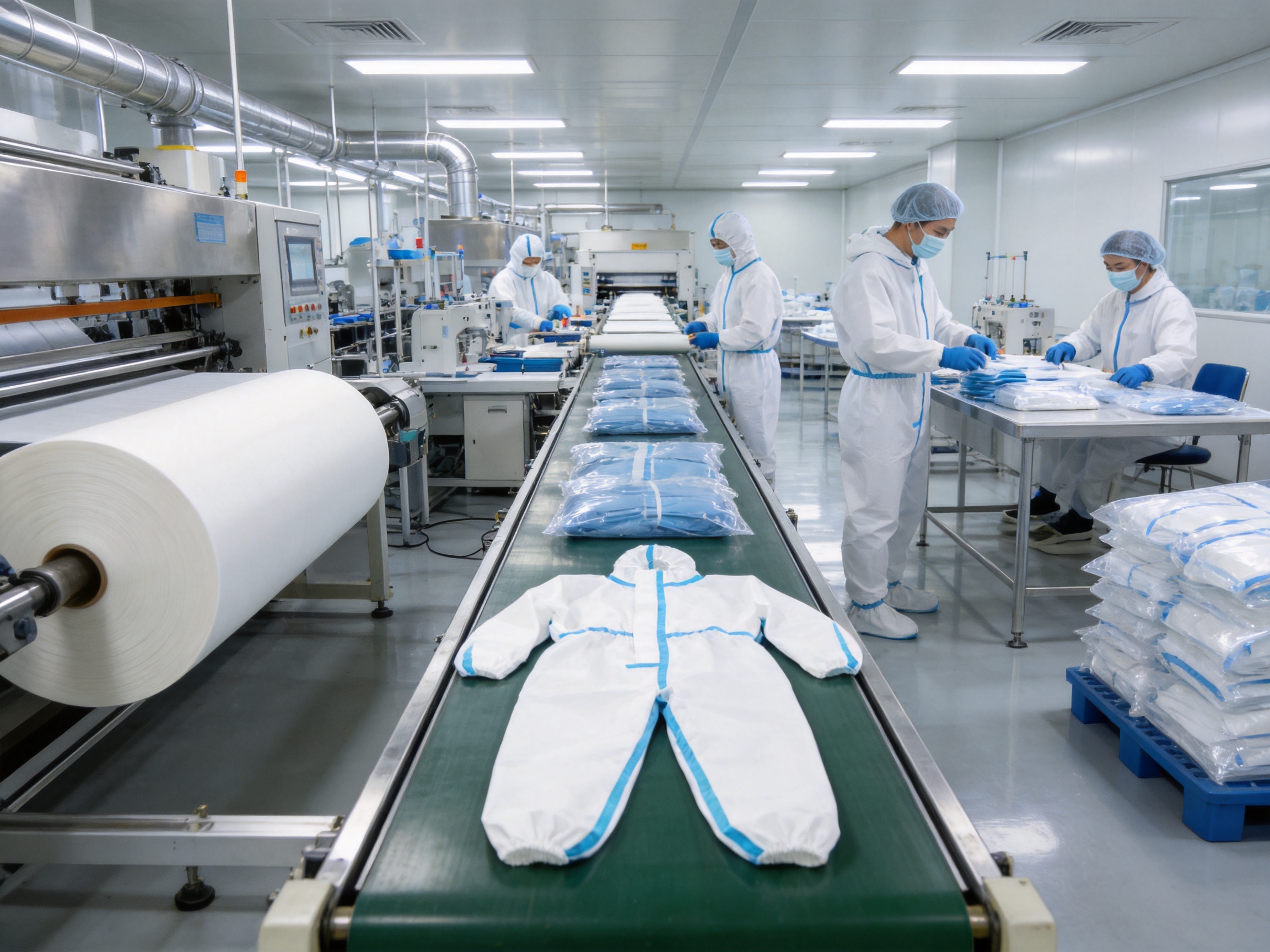
Product performance depends on the consistency of raw materials, equipment, process control, environmental conditions, inspection procedures, and final packaging. Jiangsu Complete Sincerity Medical New Materials Co., Ltd. operates as a professional manufacturer of medical examination gloves and non-woven products, with manufacturing resources designed for large-scale, standardized production.
The company has a total investment of RMB 1.08 billion and a construction area of approximately 32,000 square meters. Its production platform includes advanced manufacturing lines and a stable daily output of more than one million pieces. This capacity is important for hospitals, distributors, government procurement programs, and international buyers that require dependable supply rather than occasional small-batch availability.
Large-scale capacity alone does not guarantee product quality. The company combines production volume with full-process temperature control, standardized production environments, strict quality management, and comprehensive process supervision. These controls are intended to reduce variation between production batches and help maintain consistent material and product characteristics.
Controlled Production Environment
Temperature and environmental conditions can affect polymer behavior, fabric formation, bonding, packaging, and product stability. Full-process temperature control helps manufacturers maintain more predictable production conditions. Standardized environments also support cleanliness and reduce the risk of uncontrolled contamination during manufacturing and packaging.
For disposable medical products, environmental control is closely connected with customer confidence. Buyers need assurance that the product has been made under defined procedures rather than relying solely on visual inspection after production. A controlled manufacturing environment supports repeatability and provides a foundation for process documentation, traceability, and quality review.
Process Supervision and Quality Management
Comprehensive process supervision allows quality teams to monitor more than the final product. It can include inspection of incoming raw materials, control of production parameters, monitoring of fabric characteristics, verification of seams and closures, inspection of finished garments, and review of packaging conditions.
For a protective suit, relevant quality points may include fabric uniformity, resistance to tearing, fluid barrier performance, seam integrity, hood construction, closure function, dimensional consistency, cleanliness, and packaging integrity. A structured quality system helps identify deviations earlier and supports corrective action before products reach customers.
Strict quality management is particularly important when garments are supplied for high-risk medical applications. Hospitals and medical distributors may need product documentation, batch identification, inspection records, certificates, and other compliance materials. A manufacturer with an established quality infrastructure is better positioned to support these requirements and respond to customer audits.
High-Volume Supply and Procurement Reliability
Medical emergencies can cause sudden increases in demand for protective clothing. Hospitals may need to replenish stocks quickly, while governments, distributors, and industrial organizations may require large quantities within defined delivery schedules. A stable daily output of more than one million pieces gives the manufacturer a strong foundation for supporting large and recurring orders.
High production capacity can also support long-term supply agreements. Instead of relying on multiple fragmented sources, buyers may work with one established supplier for standard products, customized packaging, or repeated replenishment. This may simplify communication, reduce variation between lots, and make inventory planning more predictable.
Capacity should always be matched with confirmed specifications, lead times, raw-material availability, packaging requirements, and shipping arrangements. Customers can work with the manufacturer to establish realistic production schedules and quality-approval procedures before placing large orders.
Company Expertise in Medical and Non-Woven Products
Jiangsu Complete Sincerity Medical New Materials Co., Ltd. specializes in medical examination gloves and non-woven products for medical, industrial, food, and biosafety applications. This product scope gives the company experience across several categories where barrier protection, cleanliness, material performance, and production consistency are essential.
The company’s nitrile glove manufacturing experience complements its non-woven protective clothing capabilities. Nitrile gloves and protective suits are often used together as part of a broader personal protective equipment system. A supplier with knowledge of both product categories may be able to support more coordinated procurement, packaging, product documentation, and application discussions.
The company emphasizes professionalism, integrity, sustainability, stable quality, and sincere service. These principles are relevant to international customers seeking more than a one-time transaction. Medical procurement requires responsive communication, accurate technical information, dependable delivery, and the ability to maintain quality over repeated orders.
Recognized Quality and Compliance Frameworks
According to the provided company information, the company manufactures products in accordance with recognized standards and certifications, including FDA, CE, ISO 13485, ISO 9001, EN455, EN374, ASTM D6319, ASTM F1671, and ASTM D6978. These references cover different aspects of medical-device quality management, glove performance, barrier testing, and product compliance.
Not every listed standard applies to every product. For this reason, customers should confirm which certifications, declarations, and test reports specifically correspond to the non-woven protective suit being purchased. Product classification, intended market, design specification, sterile status, packaging configuration, and regulatory route may all influence the applicable documentation.
ISO 13485 is widely associated with quality management systems for medical devices, while ISO 9001 addresses general quality-management principles. EN and ASTM standards may relate to performance testing, protective barriers, glove requirements, or material characteristics. FDA and CE references should be evaluated in relation to the specific product, market, and authorization pathway. Responsible procurement includes reviewing current, product-specific evidence rather than relying only on general corporate claims.
OEM and ODM Support
The company offers OEM and ODM services for non-woven medical protective clothing. This can benefit distributors, hospital-supply companies, private-label brands, and institutional buyers that need products adapted to their commercial or operational requirements.
OEM support may include customer-specific branding, packaging, labeling, carton configuration, and documentation. ODM cooperation may involve adjustments to product structure, material weight, sizing, closure details, color, or other design elements, subject to technical feasibility and regulatory requirements.
Customization should be managed through a formal approval process. Before mass production, customers should confirm drawings, material specifications, size charts, packaging artwork, labeling language, inspection criteria, and sample approval. This reduces the risk of misunderstanding and helps ensure that the finished product meets both application and market requirements.
Applications Across Medical and High-Risk Environments
The protective suit is intended for applications where workers require broad coverage and enhanced contamination control. Its principal uses include infectious disease wards, fever clinics, respiratory infection response, nucleic acid sampling, disinfection, epidemic prevention, close-contact tracing, and high-risk medical procedures.
Infectious Disease Wards
Infectious disease wards require organized protection against contact, droplets, and other exposure routes. Healthcare workers may move between patient areas, equipment zones, treatment stations, and waste-handling points. A full-body coverall can help reduce exposed clothing and support the isolation procedures established by the facility.
Because ward conditions vary, the suit should be selected together with appropriate gloves, respirators, goggles or face shields, footwear protection, and hand-hygiene measures. Correct donning and doffing are essential. The garment is a component of a complete infection-control system, not a replacement for ventilation, isolation, cleaning, vaccination, training, or other preventive measures.
Fever Clinics and Respiratory Infection Areas
Fever clinics often manage patients with undiagnosed respiratory symptoms. Staff may encounter coughing, sneezing, close-range droplets, and contaminated surfaces. The enclosed hood and full-body design provide additional coverage during patient triage, examination, specimen collection, and environmental cleaning.
The breathable non-woven material may also support comfort in busy outpatient settings where staff are continuously moving between patients. High-strength construction helps the suit remain dependable during repeated activities, while low-lint characteristics support a cleaner clinical environment.
Sampling and Laboratory Support
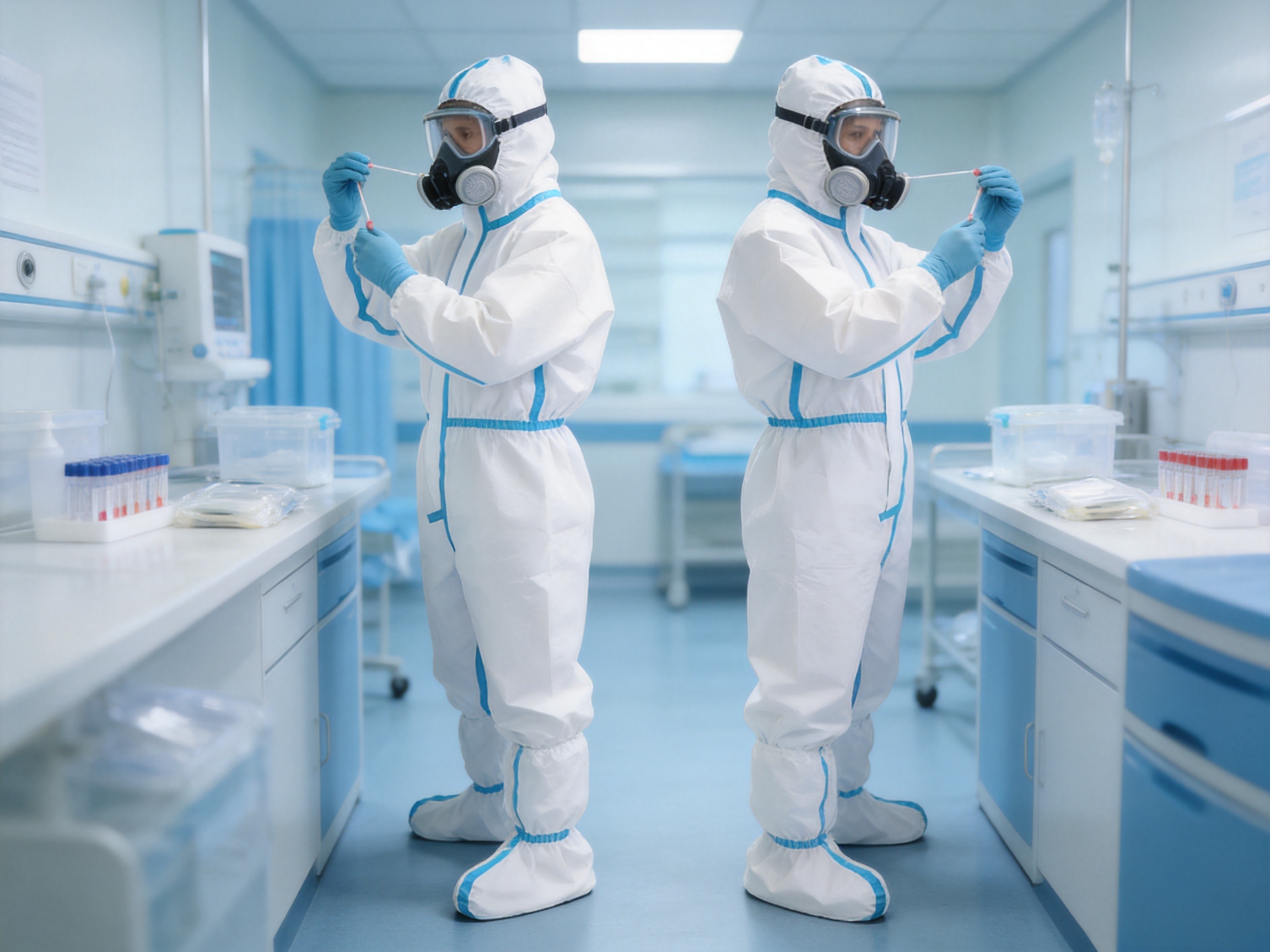
Nucleic acid sampling and other specimen-collection procedures may involve close contact with patients and handling of potentially contaminated materials. Protective clothing helps reduce the risk that droplets or fluids will reach personal clothing and skin. The coverall may also be used in selected laboratory-support operations, subject to the laboratory’s hazard assessment and required protection level.
Laboratories should evaluate additional requirements such as chemical compatibility, biological penetration resistance, cleanroom classification, static control, and seam performance. The manufacturer can provide product documentation for customers who need to determine whether a particular configuration is appropriate for a defined laboratory procedure.
Disinfection and Epidemic Prevention
Disinfection teams may work with sprayed liquids, contaminated surfaces, waste areas, and high-contact equipment. Waterproof and leak-resistant clothing is valuable in these environments because it helps create a barrier against splashes and liquid contamination. Tear resistance is also important when personnel work around furniture, equipment, containers, and other obstacles.
Emergency epidemic prevention programs may require rapid deployment of standardized equipment. A disposable hooded coverall can be distributed to trained teams working in isolation zones, mobile clinics, sampling areas, temporary treatment facilities, and public-health response locations. Its single-use format supports clear contamination-control workflows when suitable disposal systems are available.
Industrial, Food, and Biosafety Operations
Although the product is primarily positioned for medical and epidemic prevention applications, non-woven protective clothing can also be relevant to selected industrial, food, and biosafety environments. It may help control worker contamination, reduce lint, and support hygienic handling processes.
Suitability depends on the hazard. Chemical processing, high-temperature operations, cleanroom manufacturing, and specialized biological work may require protective clothing with additional properties not covered by a general medical coverall. Customers should match the product to the risk assessment and obtain confirmation before use in specialized conditions.
Single-Use Safety and Infection-Control Value
The suit is designed for single use. Disposable protective clothing reduces the need for laundering, sterilization, and reprocessing, which can be difficult to manage safely when garments have been exposed to infectious materials or contaminated fluids. A single-use workflow can help healthcare organizations control how garments move from clean storage to use and then to regulated disposal.
Disposable use is most effective when supported by clear procedures. Facilities should define how products are stored, how packages are inspected, how garments are donned, how damage is reported, how used suits are removed, and how contaminated items are contained. Personnel should receive practical training to avoid touching contaminated outer surfaces during removal.
The product is described as sterile and clean within its intended supply configuration. Sterility claims must be confirmed through the product’s packaging, labeling, sterilization method, shelf-life information, and current documentation. If sterile products are required, buyers should specify this requirement before ordering and confirm that the supplied configuration is supported by appropriate validation and records.
Single-use protection also helps prevent cross-contamination between work areas. A new garment can be issued for each designated procedure or shift according to institutional policy. This allows organizations to establish consistent replacement rules rather than relying on subjective judgments about whether a garment can be safely cleaned and reused.
How to Select the Appropriate Protective Suit
Purchasing decisions should begin with a documented hazard assessment. Users should identify the likely exposure routes, the duration and intensity of the task, the presence of liquid contamination, the need for movement, the ambient temperature, the use of other PPE, and the disposal method.
Size selection is also important. A suit that is too small may place stress on seams and restrict movement, while one that is too large may create tripping hazards or interfere with gloves, footwear, and respiratory equipment. Buyers should request a detailed size chart and, for large programs, conduct wearer trials before finalizing the order.
Organizations should also review the following factors:
1. Intended use: Confirm whether the suit is for infectious disease care, sampling, disinfection, laboratory support, general medical protection, or another application.
2. Material specification: Review fabric type, grammage, breathability, fluid resistance, tensile strength, tear resistance, and lint behavior.
3. Construction: Check hood coverage, seams, closures, cuffs, ankles, zipper protection, and overall fit.
4. Documentation: Request product specifications, test reports, declarations, certificates, batch information, and packaging details as applicable.
5. Sterility: Confirm whether the product is supplied sterile or non-sterile and identify the sterilization and packaging requirements for the intended market.
6. Packaging: Establish individual packaging, carton quantity, labeling language, barcode requirements, and outer-carton specifications.
7. Supply planning: Confirm production capacity, minimum order quantity, lead time, sample approval, inspection arrangements, and shipping conditions.
8. Disposal: Ensure that the facility has an appropriate process for handling used protective clothing and potentially infectious waste.
Quality Assurance from Raw Material to Finished Product
A reliable protective suit requires control across the entire manufacturing chain. Raw materials should be selected according to defined specifications, and incoming materials should be evaluated before they enter production. This may include checking appearance, weight, dimensions, strength, cleanliness, and other characteristics relevant to the finished garment.
During fabric production and garment assembly, process parameters should be monitored to reduce variation. Cutting, bonding, sewing, sealing, hood attachment, closure installation, and packaging must be performed according to controlled procedures. Operators should be trained to identify defects such as incomplete seams, material damage, contamination, incorrect sizing, or packaging failure.
Finished-product inspection may include visual examination, dimensional checks, material testing, seam evaluation, and barrier-related tests. The precise inspection plan depends on the product design and customer requirements. Batch traceability supports investigation and corrective action if a quality issue is identified after delivery.
Packaging is also part of product quality. Individual packaging can help protect the suit from dust, moisture, and handling contamination before use. Outer cartons should be labeled clearly with product information, size, quantity, lot or batch identification, production date, expiration or recommended-use information where applicable, and storage instructions.
The company’s standardized production environments and comprehensive process supervision are important strengths for customers seeking repeatable supply. In international procurement, consistency between shipments can be as important as the performance of one approved sample. A structured quality-management approach helps bridge that gap.
Sustainability and Responsible Manufacturing
Disposable medical products must be managed carefully because their use can generate substantial waste. Responsible manufacturing therefore includes not only product performance but also efforts to reduce energy consumption, emissions, material waste, and unnecessary environmental impact.
Jiangsu Complete Sincerity Medical New Materials Co., Ltd. identifies sustainability as an important part of its operating approach. Its initiatives include reducing energy consumption and emissions, improving resource recycling, using more environmentally friendly materials and processes, maintaining clean production environments, and cooperating with supply-chain partners to pursue shared sustainability goals.
These efforts can support customers that have environmental, social, and governance objectives. Buyers may wish to request information about packaging materials, production efficiency, waste-management practices, energy controls, and material-recycling initiatives when evaluating suppliers. Sustainability is most meaningful when it is supported by measurable programs and continuous improvement rather than by general statements alone.
Because protective suits are disposable, users should also focus on proper consumption. Correct sizing, accurate stock planning, effective training, and appropriate replacement policies can help avoid unnecessary waste. Facilities should never extend use beyond safe conditions merely to reduce consumption, but they can improve efficiency by distributing the correct product for each risk level and procedure.
Why Manufacturer Capability Matters to International Buyers
International buyers face several challenges when sourcing medical protective clothing. They must evaluate product performance, compliance documents, supply continuity, communication, packaging, shipping, and after-sales support. A manufacturer with advanced production capability and experience in medical products can reduce some of these procurement uncertainties.
Jiangsu Complete Sincerity Medical New Materials Co., Ltd. provides a combination of high-volume production, medical-product specialization, non-woven manufacturing experience, quality systems, OEM and ODM capability, and international market orientation. This combination can be valuable to distributors and institutional purchasers that require both standard products and customized solutions.
The company’s location in Shuyang County, Suqian, Jiangsu Province, China, places the manufacturing operation within one of China’s established industrial regions. Its stated production scale and facility resources support the handling of large orders while its process-control approach supports repeatability.
Long-term cooperation should be based on transparent specifications and documented performance. Customers can work with the manufacturer to establish approved samples, quality benchmarks, inspection methods, packaging standards, and delivery schedules. This collaborative approach helps ensure that the protective suit is aligned with the practical needs of the end user.
Recommended Use and Handling Practices
Before use, inspect the package and garment for visible damage, contamination, holes, incomplete seams, or incorrect size. Do not use a product with compromised packaging or obvious defects. Confirm that the garment is appropriate for the task and that all complementary PPE is available.
Personnel should put on the suit according to the facility’s approved procedure. The hood, cuffs, ankles, closure, and other coverage areas should be positioned correctly. Gloves, respirators, eye protection, and footwear covers should be integrated with the suit in a way that minimizes exposed skin and prevents interference with movement.
During use, the wearer should avoid unnecessary contact with contaminated external surfaces. If the garment becomes visibly damaged, heavily contaminated, or otherwise unsuitable for continued use, it should be replaced according to the facility’s infection-control procedure.
Removal is often a higher-risk stage because the outside of the garment may carry contamination. Staff should receive training on controlled doffing, hand hygiene, waste containment, and incident reporting. The used suit should be disposed of in accordance with applicable medical-waste, biological-waste, and local regulatory requirements.
The product should be stored in a clean, dry, ventilated area away from direct sunlight, excessive heat, moisture, chemicals, sharp objects, and heavy compression. Storage conditions should follow the product label and technical documentation.
Frequently Asked Questions
What is a non-woven protective suit used for?
A non-woven protective suit is used to provide full-body coverage in environments where workers may encounter droplets, aerosols, contaminated fluids, microorganisms, dust, or other hazards. This model is intended for high-risk medical and epidemic prevention applications, including infectious disease wards, fever clinics, sampling, disinfection, and related procedures.
How does this suit differ from a disposable medical gown?
A gown generally provides front or partial-body coverage and may leave the back, neck, arms, or lower body less protected. This coverall uses a one-piece structure with a fully enclosed hood to provide broader coverage. It is designed for situations requiring a more continuous protective barrier.
Is the protective suit waterproof?
The suit is made from material described as waterproof and leak-resistant. Actual resistance depends on the specific product configuration, exposure conditions, seams, pressure, duration, and testing requirements. Customers should obtain product-specific technical data when a defined fluid-barrier classification is required.
Is the suit breathable?
The material is designed to support breathability while maintaining protective performance. Breathability can help manage heat and moisture during wear. Comfort also depends on size, ambient temperature, work intensity, and the use of additional PPE.
Can the suit be reused?
No. It is designed as a disposable, single-use protective garment. Reuse, washing, or unauthorized reprocessing may compromise its barrier performance and increase contamination risk. Disposal should follow the user’s infection-control and waste-management procedures.
Is the suit sterile?
The product information describes the suit as sterile and clean. Sterility depends on the supplied configuration, packaging, validation, and labeling. Buyers requiring sterile products should confirm the sterilization method, documentation, shelf life, and packaging details with the manufacturer before ordering.
Can the suit be customized?
OEM and ODM services are available. Customization may include branding, packaging, labeling, size specifications, material options, and selected construction details, subject to technical feasibility and applicable regulatory requirements.
What standards and certifications are associated with the manufacturer?
The company information references FDA, CE, ISO 13485, ISO 9001, EN455, EN374, ASTM D6319, ASTM F1671, and ASTM D6978. The applicable documentation varies by product. Customers should request current, product-specific certificates, test reports, and declarations for the protective suit configuration under consideration.
What is the company’s production capacity?
The manufacturer operates advanced production lines with a stated stable daily output of more than one million pieces. This capacity can support large-volume procurement, recurring orders, and emergency supply programs, subject to confirmed specifications, raw-material availability, and production scheduling.
What other products does the company manufacture?
The company specializes in medical examination gloves, nitrile gloves, and non-woven products for medical, industrial, food, and biosafety applications. Its product portfolio includes solutions designed around barrier protection, durability, grip, comfort, and standardized manufacturing.
How should buyers evaluate this protective suit?
Buyers should assess the intended hazard, required coverage, fluid exposure, breathability, tear resistance, size range, sterility, packaging, certifications, quality records, and supply capability. A sample evaluation and review of product-specific documentation are recommended before large-scale procurement.
Conclusion
This non-woven protective suit is designed for organizations that require more than basic disposable clothing. Its one-piece, fully enclosed hooded construction provides comprehensive coverage, while high-grammage medical-grade non-woven fabric supports waterproofing, leak resistance, breathability, strength, tear resistance, low-lint performance, and wearer comfort. These features make it suitable for high-risk medical, epidemic prevention, disinfection, sampling, and biosafety-related applications.
The product’s advantages are strengthened by the manufacturing capabilities of Jiangsu Complete Sincerity Medical New Materials Co., Ltd. The company combines advanced production lines, substantial facility resources, high daily output, controlled manufacturing conditions, strict quality management, process supervision, OEM and ODM support, and experience in medical examination gloves and non-woven products.
For hospitals, distributors, government agencies, laboratories, and industrial organizations, the value of a protective suit lies in its complete performance and dependable supply. A strong garment must protect the wearer, remain stable during demanding work, support practical comfort, arrive with appropriate documentation, and be available in the quantities required. By combining protective design with large-scale medical manufacturing expertise, this product provides a reliable option for customers seeking high-level disposable protective clothing.
References
1. Company-provided product information for the Non-Woven Protective Suit, including material characteristics, intended applications, construction, and use scenarios.
2. Company-provided corporate information for Jiangsu Complete Sincerity Medical New Materials Co., Ltd., including manufacturing capacity, facility scale, quality systems, product portfolio, and sustainability initiatives.
3. ISO 13485, Medical Devices—Quality Management Systems—Requirements for Regulatory Purposes.
4. ISO 9001, Quality Management Systems—Requirements.
5. EN 455, Medical Gloves for Single Use—Requirements and Testing.
6. ASTM F1671, Standard Test Method for Resistance of Materials Used in Protective Clothing to Penetration by Blood-Borne Pathogens Using Phi-X174 Bacteriophage Penetration as a Test System.
7. ASTM D6319, Standard Specification for Nitrile Examination Gloves for Medical Application.
8. ASTM D6978, Standard Practice for Assessment of Resistance of Medical Gloves to Permeation by Chemotherapy Drugs.
9. General principles of personal protective equipment selection, donning, doffing, storage, and disposal for healthcare and occupational safety applications.
Product: Non-woven protective suit
Featured Products
Recommended Products
News
-
-
Why Nitrile Gloves Dominate Every Disposable Glove Market Nitrile Gloves have become the dominant disposable glove material globally across medical, industrial, food, and biosafety applications becau...
READ MORE -
A hospital buyer, a plant supervisor, and a food processing manager can all type the same two words into a search engine—nitrile gloves—and each need a different product at the end of it. The materia...
READ MORE -
You pick up a disposable isolation gown or a surgical drape, and you feel a lightweight sheet that looks nothing like woven cotton or knitted polyester. That material is nonwoven fabric, and it is ma...
READ MORE
Get A Free
Custom Quote!
Custom Quote!

We are committed to providing integrated solutions for nitrile gloves and non-woven products.
Get a Quote
Disposable Gloves
Quick Links
E-mail
gatherlucky-sales5@nt-huifu.com
Call Us
+86-18012229099
+86-18012229096
+86-18012229099
AddressNo.7 Wenzhou Road,Economic Development Zone,Shuyang County,Suqian, Jiangsu Province, China, 223600
copyright © Jiangsu Complete Sincerity Medical New Materials Co.,Ltd. All rights reserved.
 Registration Number: 2021200 / 2021200
This website is intended for users outside of China