
 English
 Español
 日本語
 русский

Every shift, a single clinician can go through a dozen or more pairs of medical nitrile gloves while moving from patient exams to wound care to IV adjustments. Behind those individual pairs sits a pr...
READ MORE
News Category
Product Category
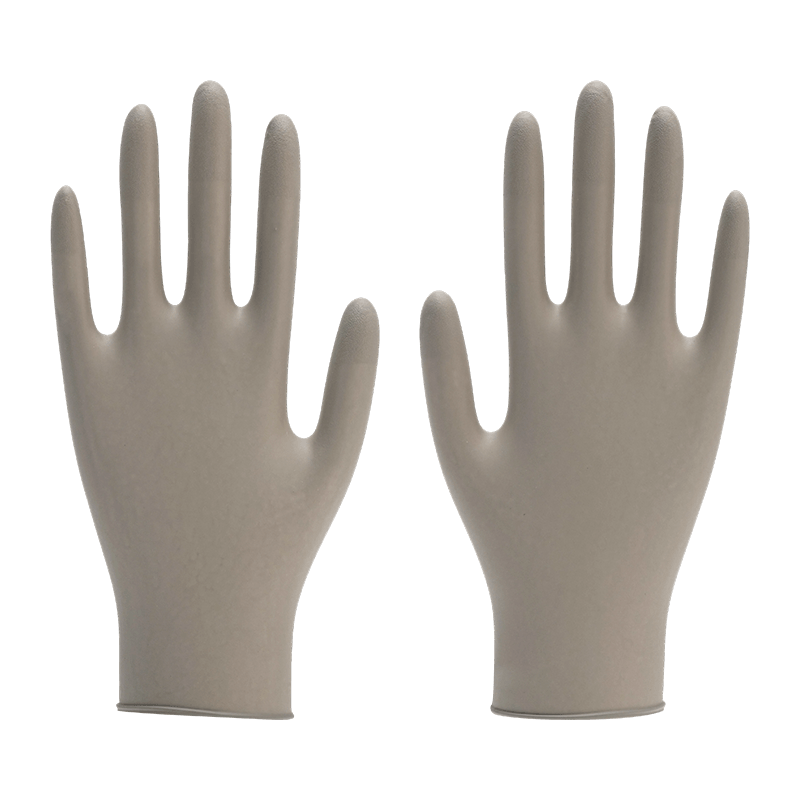
9-Inch M Medical Powder-Free Nitrile Gloves for Reliable Protection

Medical examination gloves are a critical part of infection prevention, occupational safety, and professional hygiene. They create a practical barrier between the wearer and potentially hazardous substances while helping reduce the transfer of contaminants between people, instruments, surfaces, and work areas. For hospitals, clinics, laboratories, food-processing facilities, cleanrooms, and industrial workplaces, glove selection directly affects comfort, efficiency, protection, and operating cost.
The 9 Inch M Medical Powder-Free Nitrile Gloves are designed for users who need dependable disposable hand protection with a comfortable fit and consistent manufacturing quality. Made from nitrile rather than natural rubber latex, these gloves combine flexibility, puncture resistance, tactile sensitivity, and broad application suitability. Their medium size, nine-inch length, powder-free construction, and customizable color and weight options make them suitable for professional buyers seeking a reliable product that can be adapted to different procurement requirements.
Manufactured by Jiangsu Complete Sincerity Medical New Materials Co., Ltd., the gloves are produced in a controlled, large-scale manufacturing environment supported by advanced production lines, strict quality management, and comprehensive process supervision. The company specializes in nitrile gloves and non-woven products for medical, industrial, food, and biosafety applications. Its manufacturing capabilities are supported by a substantial investment, a 32,000-square-meter construction area, and a stable daily output of more than one million pieces.
Product Overview
The 9 Inch M Medical Powder-Free Nitrile Gloves are disposable examination gloves intended for professional environments where hygiene, barrier protection, and user comfort are important. The gloves are made from nitrile, a synthetic elastomer that does not contain natural rubber latex. This makes them a practical choice for workplaces that wish to reduce exposure to latex-related concerns while maintaining the elasticity and handling performance expected from modern disposable gloves.
The standard product is supplied in a medium size and has a nominal length of nine inches. A 12-inch length option is also available according to the stated product specifications, allowing buyers to select a longer cuff when additional wrist and lower-arm coverage is needed. The product is powder-free, which helps reduce residue on skin, instruments, products, and work surfaces.
Standard color options include blue and black, while additional colors can be customized. Product weight can also be customized within a stated range of approximately 3 to 6.8 grams. Dimensions remain unchanged when the weight is customized. This flexibility enables distributors, healthcare organizations, industrial purchasers, and private-label customers to align glove specifications with their intended application, packaging program, brand identity, and performance expectations.
| Product Attribute | Specification | Purchasing Significance |
| Product type | Medical powder-free nitrile gloves | Suitable for examination, hygiene, and professional protective applications |
| Material | Nitrile | Latex-free synthetic material with flexibility and barrier performance |
| Size | Medium | Designed for users requiring a commonly ordered glove size |
| Length | 9 inches; 12-inch option available | Offers standard coverage with a longer-cuff alternative |
| Powder content | Powder-free | Reduces powder residue and supports cleaner working conditions |
| Colors | Blue and black; customizable | Supports departmental identification and private-label programs |
| Weight | Customizable from approximately 3 to 6.8 grams | Allows balancing of material usage, feel, durability, and application needs |
| Packaging | 100 pieces per box; 10 boxes per carton | Provides 1,000 gloves per carton for organized inventory management |
Why Nitrile Is an Effective Glove Material
Nitrile is widely used in disposable gloves because it offers a useful combination of stretch, mechanical resistance, and chemical-handling capability. Unlike natural rubber latex, nitrile is a synthetic material and is commonly selected by organizations that want latex-free products. It can conform closely to the hand while retaining sufficient strength for routine examination, cleaning, laboratory, and industrial tasks.
One of the principal advantages of nitrile is its balance between sensitivity and protection. A properly manufactured nitrile glove can provide enough flexibility for handling instruments, small components, packaging materials, and testing equipment while still offering a protective layer against many common workplace contaminants. The exact level of protection depends on glove thickness, formulation, test results, and the specific substance involved, so users should always match the glove to the applicable risk assessment and technical documentation.
Nitrile also performs well in demanding environments where gloves may encounter friction, repeated hand movement, or incidental contact with liquids. Its synthetic structure supports good resistance to tearing and puncturing compared with many low-quality disposable alternatives. This is especially valuable in healthcare and laboratory work, where an unnoticed glove failure can interrupt a procedure or compromise hygiene practices.
Another benefit is user acceptance. Gloves that are overly stiff, loose, or uncomfortable are more likely to be adjusted, removed, or replaced unnecessarily. A well-fitting nitrile glove encourages continuous use and supports efficient work. The medium-size format of this product is suitable for many adult users, while careful size selection remains important because hand dimensions vary from person to person.
Advantages of a Powder-Free Construction
The powder-free design is one of the product’s most important features. Some powdered gloves use cornstarch or another powder to make donning easier. However, powder can become airborne, settle on surfaces, transfer to instruments, and create unwanted residue. In medical and clean working environments, these effects may be undesirable.
Powder-free gloves help maintain a cleaner workspace. They are suitable for situations in which contamination control, product cleanliness, or surface presentation is important. The absence of powder can also reduce the possibility of powder-related skin discomfort for some users. Although powder-free gloves may require slightly more care during donning, modern nitrile formulations and internal surface treatments can support smooth application when the gloves are correctly manufactured and stored.
For clinics and healthcare facilities, powder-free gloves help support a consistent hygiene protocol. For food-processing and packaging operations, they can reduce the risk of powder contacting products. For laboratories and clean manufacturing environments, they can help limit unnecessary particulate introduction. These benefits make powder-free nitrile gloves more versatile than traditional powdered alternatives.
Users should remember that powder-free does not automatically mean sterile. Sterility is a separate product attribute that requires validated sterilization, sterile packaging, and applicable regulatory documentation. The product described here is identified as powder-free. Buyers requiring sterile gloves should confirm availability, packaging, validation, certification, and labeling requirements with the manufacturer before placing an order.
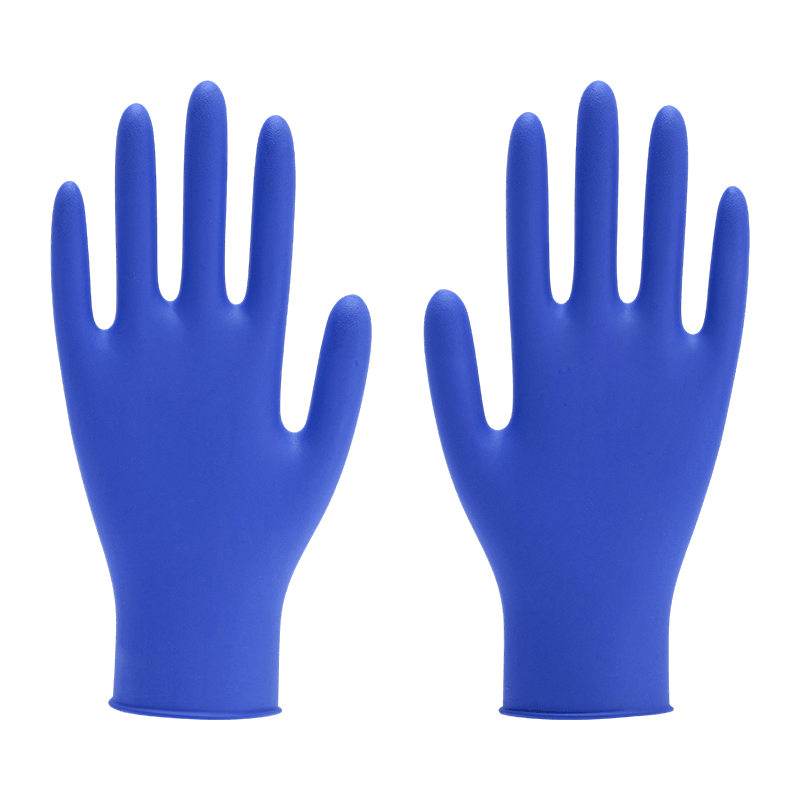
9 inch M Medical Powder-Free Nitrile Gloves
Comfort, Fit, and Hand Mobility
Comfort is not merely a convenience in professional glove use. Healthcare workers, laboratory technicians, production staff, and cleaning personnel may wear gloves for extended periods or change gloves repeatedly during a shift. Poorly fitting gloves can contribute to hand fatigue, reduced dexterity, and lower productivity.
The medium size is designed for users whose hand dimensions correspond to a medium glove. A close but non-restrictive fit helps the fingertips remain aligned with the glove ends and allows users to handle small objects with greater control. Correct sizing can also reduce excess material at the palm and fingertips, where loose folds may interfere with instruments or create snagging risks.
The nine-inch length provides coverage extending beyond the hand and toward the wrist. This is a useful format for routine examination, patient care, laboratory handling, cleaning, and general workplace tasks. For operations requiring more coverage around the wrist and lower forearm, the available 12-inch length option may provide a more suitable configuration.
Nitrile’s elasticity supports repeated flexing of the fingers and thumb. This is important for tasks such as opening sterile packs, manipulating medical tools, typing, labeling samples, using touchscreens, sorting components, and handling packaged goods. Textured fingertips, when included in the applicable product configuration, can improve grip on dry or slightly wet surfaces. Users should refer to the technical specification for the exact surface texture and performance characteristics of the ordered version.
Barrier Protection and Workplace Safety
Disposable gloves are one element of a larger safety system. Their purpose is to provide a temporary barrier that helps protect the wearer’s hands and limits the transfer of contaminants. The effectiveness of that barrier depends on material quality, glove integrity, correct size, appropriate donning and removal, storage conditions, and timely replacement.
The product is designed around several features that support dependable barrier performance. Nitrile provides a flexible synthetic barrier, while strict pinhole control helps reduce the risk of small defects. Consistent forming and curing processes are essential because variations in thickness or vulcanization can affect elasticity, strength, and resistance to tearing.
In medical settings, gloves may be used during examinations, routine patient contact, sample collection, cleaning of equipment, and handling of non-sterile materials. In laboratories, they may be used for sample preparation, research procedures, and general bench work. In industrial settings, they can support light assembly, inspection, maintenance, cleaning, and material handling. In food-related environments, they can help maintain hand hygiene during appropriate food-contact operations, subject to local rules and application-specific approvals.
No disposable glove protects against every hazard. Chemical resistance varies by substance, concentration, contact time, temperature, and glove formulation. Users should consult chemical compatibility data before selecting nitrile gloves for solvent handling or hazardous chemical work. Similarly, gloves should not be treated as cut-resistant, puncture-proof, or heat-resistant unless the specific product has been tested and labeled for those functions.
Good glove practices are also essential. Users should inspect packaging and gloves before use, choose the correct size, avoid wearing damaged gloves, replace gloves between tasks when contamination may be transferred, and wash or sanitize hands according to workplace procedures. Gloves should never replace hand hygiene.
Manufacturing Strength and Production Capacity
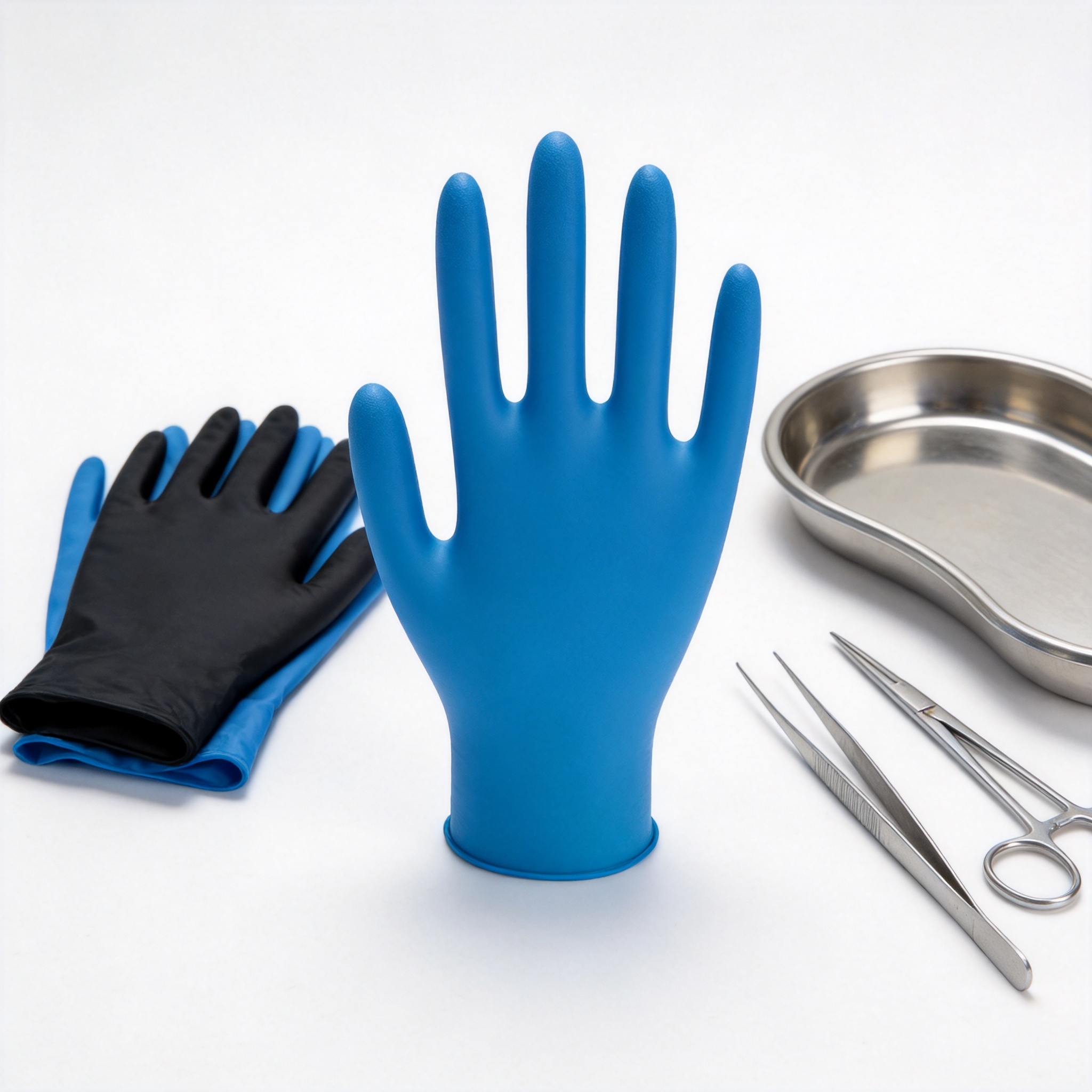
The performance of a disposable glove begins with manufacturing discipline. Consistency across millions of pieces requires carefully controlled raw materials, production parameters, equipment maintenance, inspection procedures, and packaging operations. Jiangsu Complete Sincerity Medical New Materials Co., Ltd. operates advanced production lines designed to support stable, high-volume output.
The company reports a total investment of RMB 1.08 billion and a construction area of 32,000 square meters. Its stable daily output exceeds one million pieces. This scale provides several advantages for professional purchasers. Large production capacity can support regular supply programs, reduce the risk of sudden shortages, and help distributors plan inventory for recurring customers.
High-volume production is valuable only when supported by effective control systems. The company uses full-process temperature control, standardized production environments, strict quality management, and comprehensive process supervision. These measures help reduce variation in material behavior, dipping, curing, washing, drying, inspection, and packaging.
Temperature control is especially important in nitrile glove manufacturing. The material must be processed within appropriate conditions to achieve the required balance of elasticity, strength, surface characteristics, and dimensional stability. Variations in temperature can affect curing behavior and may lead to inconsistent glove performance. Full-process monitoring helps the manufacturer maintain more stable production conditions from one batch to the next.
Standardized production environments also support cleanliness and repeatability. Controlled procedures help define how raw materials are handled, how equipment is operated, how defects are identified, and how finished gloves are packed. Standardization reduces dependence on individual judgment and creates a more traceable manufacturing workflow.
Comprehensive process supervision allows quality considerations to be addressed throughout production rather than only at the final inspection stage. This approach is important because a finished-glove defect may originate from raw material preparation, former cleaning, compound mixing, dipping, leaching, curing, stripping, or packaging. Monitoring each stage creates more opportunities to detect and correct deviations.
Quality Management and Process Control
Quality management for medical examination gloves involves more than visual appearance. A reliable product must demonstrate consistent dimensions, acceptable elasticity, suitable tensile properties, low defect rates, secure packaging, and appropriate labeling. The manufacturer’s stated quality system is designed to address these factors through standardized procedures and inspection controls.
Pinholes are a critical concern in disposable gloves because even a small defect can compromise the intended barrier. Effective pinhole control requires suitable dipping conditions, clean formers, stable latex-free nitrile compounds, controlled curing, and inspection methods capable of identifying unacceptable defects. The company identifies strict pinhole control as one of its product strengths.
Dimensional consistency is also important. Gloves that vary significantly in length, width, or finger shape may create fit problems and increase waste. Maintaining the specified nine-inch length and medium-size profile requires controlled forming and stripping procedures. When customers select a 12-inch length or customized weight, the manufacturer must maintain dimensional requirements while adjusting the material distribution and product formulation as needed.
Weight customization from approximately 3 to 6.8 grams gives buyers an opportunity to specify a glove that matches the intended level of material use and handling performance. Lighter gloves may be appropriate for short-duration routine examinations and high-frequency changes, while heavier configurations may be preferred when users need a more substantial feel or greater resistance to demanding handling conditions. Weight alone does not determine quality or protection; the formulation, thickness distribution, curing process, and test performance are equally important.
Quality assurance should continue after production. Finished gloves must be packed in a way that protects them from moisture, dust, excessive heat, and mechanical damage. The standard packaging configuration is 100 pieces per box and 10 boxes per carton, giving a total of 1,000 pieces per carton. This format supports organized storage, counting, distribution, and replenishment.
Standards and Compliance Orientation
Jiangsu Complete Sincerity Medical New Materials Co., Ltd. states that its products are manufactured in accordance with recognized quality, safety, and compliance standards, including FDA, CE, ISO 13485, ISO 9001, EN455, EN374, ASTM D6319, ASTM F1671, and ASTM D6978. The exact applicability of each standard depends on the product model, destination market, intended use, testing scope, and current technical documentation.
ISO 13485 is associated with quality management systems for medical devices. A structured medical-device quality system supports controlled documentation, risk management, corrective actions, traceability, and continual process oversight. ISO 9001 provides a broader quality-management framework focused on consistent processes and customer requirements.
EN 455 is commonly associated with requirements for medical gloves for single use, including relevant considerations such as freedom from holes, physical properties, and biological evaluation. EN 374 relates to protective gloves against chemicals and microorganisms, with performance determined by the applicable tests and classification. ASTM D6319 is a recognized specification for nitrile examination gloves used in medical applications.
ASTM F1671 is associated with resistance to penetration by blood-borne pathogens under specified test conditions, while ASTM D6978 addresses resistance of medical gloves to permeation by certain chemotherapy drugs and other pharmaceutical compounds under defined conditions. Such standards should never be interpreted as universal protection against every biological or chemical hazard. Employers must review the actual test results and select products based on the specific workplace risk.
FDA and CE references also require careful interpretation. Regulatory requirements differ by country and may change according to product classification, intended purpose, labeling, market authorization, and importer obligations. Buyers should request current certificates, declarations, test reports, technical files, and product-specific documentation when compliance is essential.
Competitive Advantages
The 9 Inch M Medical Powder-Free Nitrile Gloves offer several advantages over basic disposable gloves and less specialized alternatives. The first is the combination of nitrile material and powder-free construction. This provides a latex-free option with reduced powder residue, making the glove suitable for a wider range of professional environments.
The second advantage is configuration flexibility. Buyers can select blue or black as standard colors and request customized colors for departmental coding, brand programs, or customer-specific packaging. Weight customization from approximately 3 to 6.8 grams allows the product to be positioned for different operational needs without changing the specified dimensions.
The third advantage is the choice between nine-inch and 12-inch lengths. Many low-cost gloves provide only one standard length, forcing users to accept either insufficient wrist coverage or unnecessary material. Offering a longer option helps purchasers match glove coverage to the task instead of using one configuration for every situation.
The fourth advantage is production scale. A stable daily output exceeding one million pieces can be important for wholesalers, hospital procurement groups, laboratory supply companies, and large industrial users. Consistent supply reduces the need to switch between unfamiliar products and helps organizations standardize their glove policies.
The fifth advantage is the company’s emphasis on process control. Full-process temperature control, standardized environments, strict quality management, and comprehensive supervision create a stronger foundation for consistency than informal or lightly controlled production. These systems are particularly valuable when customers require repeat orders with closely matched performance.
The sixth advantage is application breadth. The gloves are suitable for medical, industrial, food, and biosafety-related environments, provided the selected configuration meets the applicable regulations and risk requirements. A product that can serve multiple departments may simplify procurement and reduce the number of glove types held in inventory.
Finally, the manufacturer supports OEM and ODM cooperation. This can benefit distributors and organizations that require customized color, weight, packaging, labeling, or product presentation. Customization should be confirmed through a formal technical and commercial review to ensure that any change remains compatible with performance, regulatory, and quality requirements.
Application Areas
Medical Examination and Patient Care
In clinics, hospitals, nursing facilities, and outpatient centers, powder-free nitrile gloves can be used for routine examination, basic patient care, sample handling, cleaning procedures, and contact with potentially contaminated materials. The medium size and nine-inch length provide a practical format for everyday use.
Healthcare organizations should establish clear policies for glove changes, hand hygiene, storage, and disposal. Gloves should be changed between patients and between tasks when contamination may be transferred. For surgical or sterile procedures, users must select gloves specifically labeled and validated for sterile use rather than assuming that all medical examination gloves are sterile.
Laboratories and Research Facilities
Laboratory personnel require gloves that support dexterity while providing a barrier against routine contact with samples, reagents, and contaminated surfaces. Nitrile is commonly selected for bench work because it offers a useful combination of flexibility and resistance to many common laboratory substances.
Researchers must review chemical compatibility information before handling solvents, concentrated reagents, cytotoxic substances, or other hazardous materials. Where the risk assessment requires thicker gloves, extended cuffs, or specialized chemical protection, the appropriate heavier-duty product should be selected. The available 12-inch option may be useful when additional wrist coverage is appropriate, but it should not be considered a substitute for a documented chemical-resistance evaluation.
Food Processing and Food Handling
Powder-free construction is particularly useful in food-related operations because it minimizes the possibility of loose powder contacting food or packaging. Blue gloves are often preferred in food environments because the color can be easier to distinguish from many food products. Black gloves may be suitable for other applications or visual presentation requirements.
Food businesses must follow local food-contact regulations and confirm that the specific glove configuration is appropriate for the intended use. Gloves should be changed when torn, contaminated, or when moving between raw and ready-to-eat food areas. They should not be used as a replacement for proper handwashing and hygienic handling procedures.
Industrial and Manufacturing Operations
In industrial workplaces, these gloves can support inspection, light assembly, maintenance, cleaning, packaging, and general material handling. Nitrile’s tactile feel may help workers handle small parts, labels, tools, and components without sacrificing basic hand coverage.
Industrial users should evaluate whether the work involves sharp edges, high heat, heavy abrasion, electrical hazards, or aggressive chemicals. If so, the selected glove must have verified performance for those hazards. The 9 Inch M Medical Powder-Free Nitrile Gloves are best positioned for applications requiring general disposable hand protection rather than specialized cut, thermal, or high-risk chemical protection.
Biosafety and Clean Work Environments
Powder-free nitrile gloves are suitable for many biosafety-support tasks where reducing contamination transfer is important. They may be used during cleaning, preparation, sample movement, and handling of equipment. The final choice should be based on the biosafety level, material hazard, decontamination procedure, and facility requirements.
In clean manufacturing areas, glove cleanliness and packaging integrity are important. Organizations should define how gloves are introduced into controlled areas, how packaging is removed, and how used gloves are discarded. The manufacturer’s standardized production environment provides an important foundation, but the receiving organization must also maintain appropriate storage and handling procedures.
Customization and OEM/ODM Support
Customization is increasingly important in the global disposable-glove market. Large buyers may require a particular color for employee identification, product differentiation, or corporate presentation. Distributors may also need private-label packaging that matches their established product range.
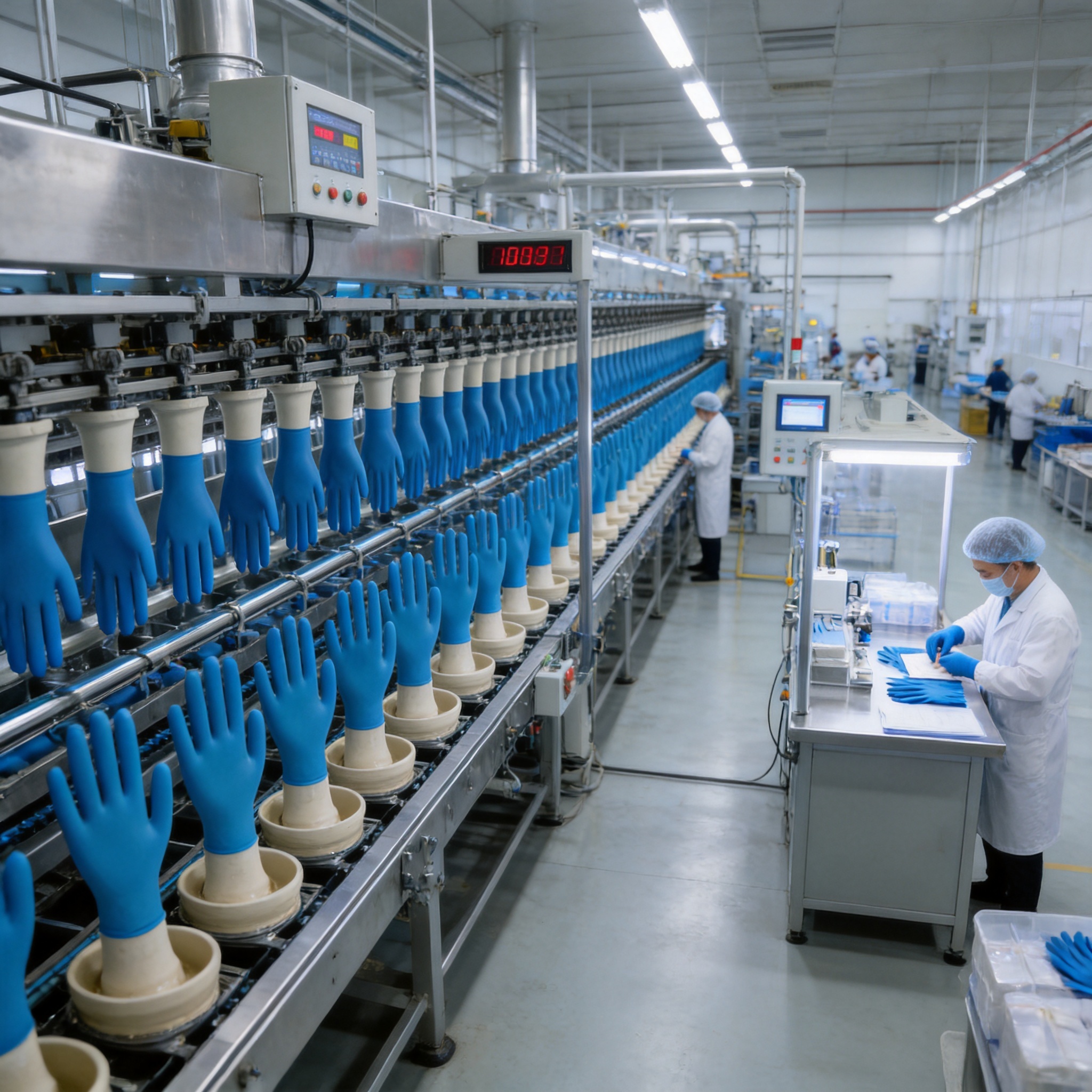
The product supports color customization beyond the standard blue and black options. Custom colors can help distinguish departments, identify specific risk levels, or support a customer’s brand identity. Color selection should be evaluated for visual consistency, batch-to-batch repeatability, and suitability for the intended environment.
Weight customization is available within the stated range of approximately 3 to 6.8 grams. Because product dimensions remain unchanged, customization focuses on material quantity and the resulting handling characteristics rather than changing the basic glove profile. Customers should discuss target weight, acceptable tolerances, tensile performance, elongation, cuff strength, and application requirements during technical development.
OEM and ODM programs may also include customized boxes, cartons, labels, instructions, barcodes, and shipment markings. Such programs require accurate artwork approval, regulatory review, minimum order quantities, sample confirmation, and production scheduling. A formal approval process helps ensure that packaging claims are consistent with the actual product and destination-market requirements.
Packaging, Storage, and Inventory Management
The standard packaging format is 100 gloves per box and 10 boxes per carton. This configuration provides 1,000 pieces per carton and allows organizations to distribute smaller boxes to workstations while maintaining efficient bulk storage at the warehouse level.
Boxes should be stored in a clean, dry, and well-ventilated location. Excessive heat, direct sunlight, high humidity, ozone, and contact with chemicals may affect glove materials over time. Cartons should be protected from crushing, puncturing, and water exposure. Stock should be rotated according to the manufacturer’s stated shelf-life and lot information.
Inventory planning should account for normal consumption, emergency reserves, seasonal changes, and procurement lead times. Because glove use can increase sharply during outbreaks, inspections, production changes, or regulatory events, organizations should avoid relying solely on just-in-time purchasing. The manufacturer’s large production capacity can support supply planning, but forecasts and purchase schedules should still be communicated clearly.
For customized orders, buyers should allow additional time for color matching, packaging approval, raw-material preparation, production scheduling, inspection, and documentation. Sample approval before mass production can reduce the risk of receiving a configuration that does not match the buyer’s expectations.
How to Select the Correct Configuration
The correct glove configuration depends on the task, user, exposure risk, and operational environment. Buyers should begin by identifying whether they need general examination protection, extended wrist coverage, higher material weight, color coding, or a private-label presentation.
For routine examinations and general hygiene tasks, a nine-inch, medium-size, powder-free blue glove may be appropriate. For tasks requiring a more visible contrast with dark materials or a specific corporate appearance, black may be preferred. For work involving more wrist coverage, the 12-inch alternative should be evaluated.
Weight selection should be based on the balance between comfort, tactile sensitivity, durability, consumption rate, and budget. A lighter glove may support frequent changes and high-volume routine work. A heavier glove may provide a more substantial feel for longer tasks or handling situations where additional material is desirable. Buyers should compare samples under actual working conditions rather than selecting by weight alone.
Size selection should use hand measurements and practical trials. Users with long fingers, broad palms, or unusual hand proportions may require a different size even if medium is the most frequently ordered option. A glove that is too tight may cause fatigue or split during use, while a glove that is too loose may reduce dexterity and increase snagging.
Responsible Use and Disposal
Disposable gloves should be treated as single-use protective products unless the applicable product documentation specifically states otherwise. Reusing examination gloves can transfer contaminants, weaken the material, and create an unreliable barrier. Gloves should be removed carefully to avoid touching contaminated outer surfaces with bare skin.
After removal, users should perform hand hygiene according to workplace procedures. Used gloves should be discarded in the appropriate waste stream based on the contamination and local regulations. Gloves contaminated with blood, biological material, chemicals, or pharmaceutical substances may require specialized disposal procedures.
Organizations can improve sustainability by reducing unnecessary glove changes without compromising safety, selecting the appropriate weight for each application, optimizing inventory, and providing training on correct use. The manufacturer states that it is working to reduce energy consumption and emissions, improve resource recycling, use more environmentally friendly materials and processes, and maintain clean production environments.
Sustainability should be considered across the entire product life cycle. This includes raw-material sourcing, manufacturing efficiency, packaging design, transportation, storage, use, and disposal. Buyers can support responsible procurement by requesting relevant environmental information, avoiding over-specification, and choosing packaging quantities that fit actual consumption.
Why Choose a Specialized Manufacturer
Purchasing from a specialized manufacturer can provide advantages beyond the product itself. A dedicated glove producer is more likely to understand dipping technology, nitrile formulation, former design, curing conditions, defect control, packaging, and regulatory documentation. This expertise can support better communication when customers need customized weight, color, length, packaging, or performance requirements.
Jiangsu Complete Sincerity Medical New Materials Co., Ltd. focuses on medical examination gloves and non-woven products rather than treating gloves as a secondary product line. Its stated investment level, facility size, production capacity, process controls, and quality systems demonstrate a manufacturing infrastructure designed for professional and large-volume supply.
The company also serves multiple sectors, including medical, industrial, food, and biosafety applications. This broad experience can help it understand the different priorities of hospitals, distributors, laboratories, factories, food processors, and safety-supply companies. At the same time, each customer remains responsible for confirming that the selected glove configuration meets the rules and hazards of its own market.
Long-term supply relationships benefit from transparent specifications, consistent quality, clear communication, and responsive service. Customers should expect quotation documents, product specifications, test information, samples, order confirmations, and shipping records to align with one another. These practices reduce uncertainty and make repeat purchasing more efficient.
Purchasing Checklist
Before ordering, buyers should confirm the required size, length, color, weight, packaging, and intended application. They should also determine whether the gloves are needed for examination, food handling, laboratory work, industrial handling, biosafety support, or another defined purpose.
Buyers should request current product-specific documentation where applicable. This may include a technical data sheet, certificate of analysis, declaration of conformity, quality certificates, test reports, shelf-life information, packaging specifications, and lot-traceability information. If sterile use is required, sterility documentation must be requested separately.
For customized orders, the buyer should approve samples before mass production. Sample evaluation should include donning, fit, finger sensitivity, cuff behavior, surface grip, odor, visual appearance, packaging, and performance in representative tasks. The buyer should also confirm acceptable tolerances for weight, dimensions, color, and packaging count.
Shipping and storage conditions should be discussed in advance. Carton markings, pallet configuration, container loading, shipment documents, and delivery schedules can affect the efficiency of international procurement. Clear communication is particularly important for large-volume orders and recurring supply programs.
Frequently Asked Questions
What material are these gloves made from?
They are made from nitrile, a synthetic rubber material commonly used for disposable medical examination and protective gloves. Nitrile provides flexibility and barrier performance without using natural rubber latex.
Are the gloves powder-free?
Yes. The product is specified as powder-free. This helps reduce powder residue on skin, instruments, products, and work surfaces.
What size is available?
The listed product is size medium. Users should confirm hand measurements and evaluate fit before placing large orders, because the best size depends on palm width, finger length, and personal comfort.
What is the glove length?
The standard length is nine inches. A 12-inch length option is also identified in the product specifications for applications requiring additional wrist or lower-arm coverage.
Can the color be customized?
Yes. Blue and black are listed as standard colors, and other colors can be customized subject to technical confirmation, order quantities, color approval, and production requirements.
Can the glove weight be customized?
Yes. The stated customization range is approximately 3 to 6.8 grams. Dimensions remain unchanged, while the selected weight can be matched to the customer’s performance and application requirements.
Are these gloves sterile?
The product information identifies them as powder-free medical nitrile gloves, but it does not establish that the standard product is sterile. Buyers requiring sterile gloves should request specific sterile configurations, validated sterilization information, sterile packaging details, and applicable documentation.
Are these gloves suitable for chemical handling?
Nitrile gloves can resist many common substances, but chemical performance varies. Users must review product-specific permeation data and chemical compatibility information for the exact chemical, concentration, temperature, and contact time. For highly hazardous chemicals, specialized protective gloves may be necessary.
Are the gloves suitable for food handling?
Powder-free nitrile gloves may be suitable for certain food-handling operations. However, food businesses must confirm that the exact product and configuration comply with applicable food-contact regulations in the destination market.
How are the gloves packaged?
The standard packaging is 100 pieces per box and 10 boxes per carton, for a total of 1,000 gloves per carton.
What quality standards are associated with the manufacturer?
The company states that its products are manufactured in accordance with recognized standards and certifications, including FDA, CE, ISO 13485, ISO 9001, EN455, EN374, ASTM D6319, ASTM F1671, and ASTM D6978. Buyers should request current, product-specific documentation to confirm which standards apply to their selected configuration and market.
What manufacturing capabilities does the company have?
The company reports a total investment of RMB 1.08 billion, a construction area of 32,000 square meters, advanced production lines, full-process temperature control, standardized production environments, and a stable daily output of more than one million pieces.
Can the product be used for surgical procedures?
The listed product is described as a medical powder-free nitrile glove rather than a specifically sterile surgical glove. Surgical procedures require gloves designed, tested, packaged, and labeled for sterile surgical use. Buyers should confirm the intended use and documentation before selecting a product.
How should the gloves be stored?
Store them in a clean, dry, and well-ventilated area away from direct sunlight, excessive heat, moisture, ozone, chemicals, and sharp objects. Follow the manufacturer’s shelf-life and storage instructions, and rotate inventory appropriately.
Conclusion
The 9 Inch M Medical Powder-Free Nitrile Gloves provide a practical combination of latex-free material, powder-free cleanliness, medium-size fit, standard wrist coverage, and professional application flexibility. Their blue and black color options, customizable colors, customizable weight range, and available 12-inch length allow purchasers to tailor the product to different operational requirements.
The product’s competitive value is strengthened by the manufacturing capabilities of Jiangsu Complete Sincerity Medical New Materials Co., Ltd. The company combines large-scale production with advanced production lines, full-process temperature control, standardized working environments, strict quality management, comprehensive supervision, and a stated daily output exceeding one million pieces. These strengths support stable supply and consistent quality for customers in medical, laboratory, food, industrial, and biosafety-related markets.
For the best results, buyers should select the glove according to the specific workplace risk, confirm size and length, evaluate customized weight requirements, and request current technical and regulatory documentation. When correctly matched to the application and used with proper hand hygiene and disposal procedures, these powder-free nitrile gloves can support safer, cleaner, and more efficient professional operations.
References
ASTM International. ASTM D6319, Standard Specification for Nitrile Examination Gloves for Medical Application.
ASTM International. ASTM F1671, Standard Test Method for Resistance of Materials Used in Protective Clothing to Penetration by Blood-Borne Pathogens Using Phi-X174 Bacteriophage Penetration as a Test System.
ASTM International. ASTM D6978, Standard Practice for Assessment of Resistance of Medical Gloves to Permeation by Chemotherapy Drugs.
European Committee for Standardization. EN 455, Medical Gloves for Single Use.
European Committee for Standardization. EN 374, Protective Gloves Against Chemicals and Micro-Organisms.
International Organization for Standardization. ISO 13485, Medical Devices—Quality Management Systems—Requirements for Regulatory Purposes.
International Organization for Standardization. ISO 9001, Quality Management Systems—Requirements.
Product specifications and company information supplied for the 9 Inch M Medical Powder-Free Nitrile Gloves.
Product: 9 inch M Medical Powder-Free Nitrile Gloves
Featured Products
Recommended Products
-
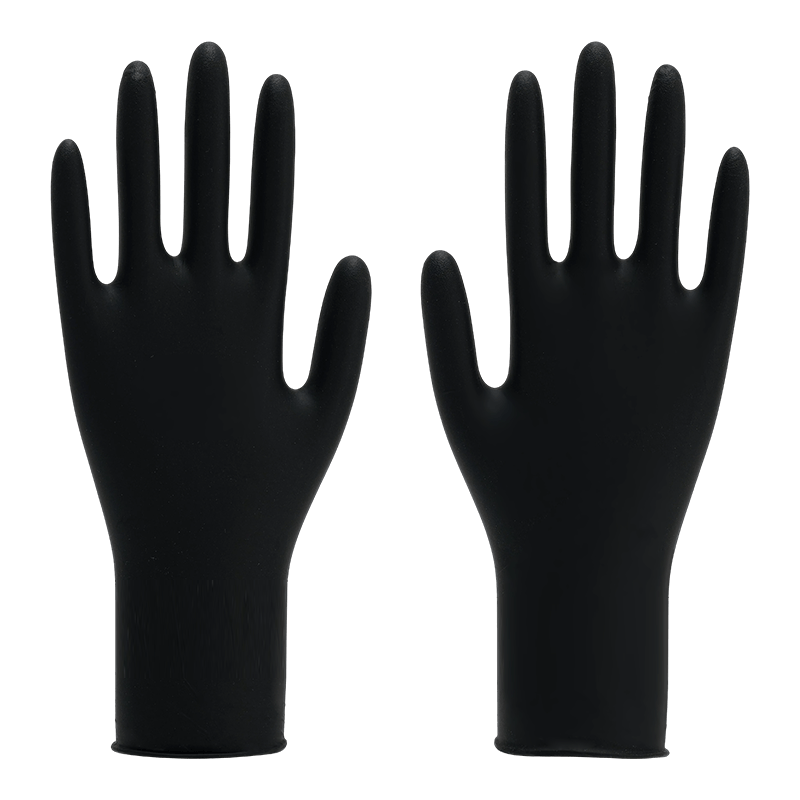 9 inch XS Medical Powder-Free Nitrile Gloves
-
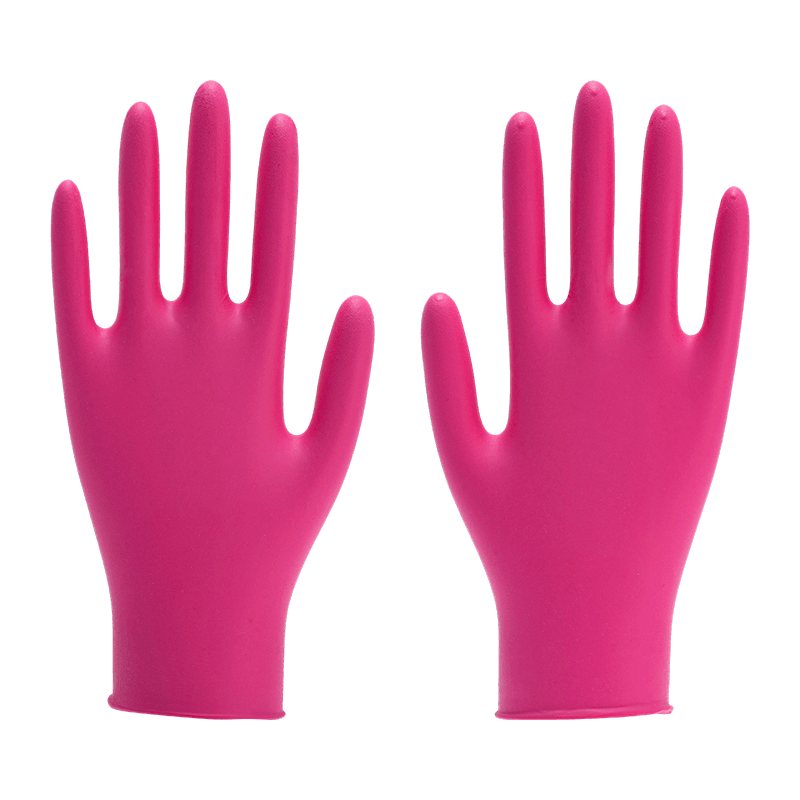 9 inch M Biosafety Protection Powder-Free Nitrile Gloves
-
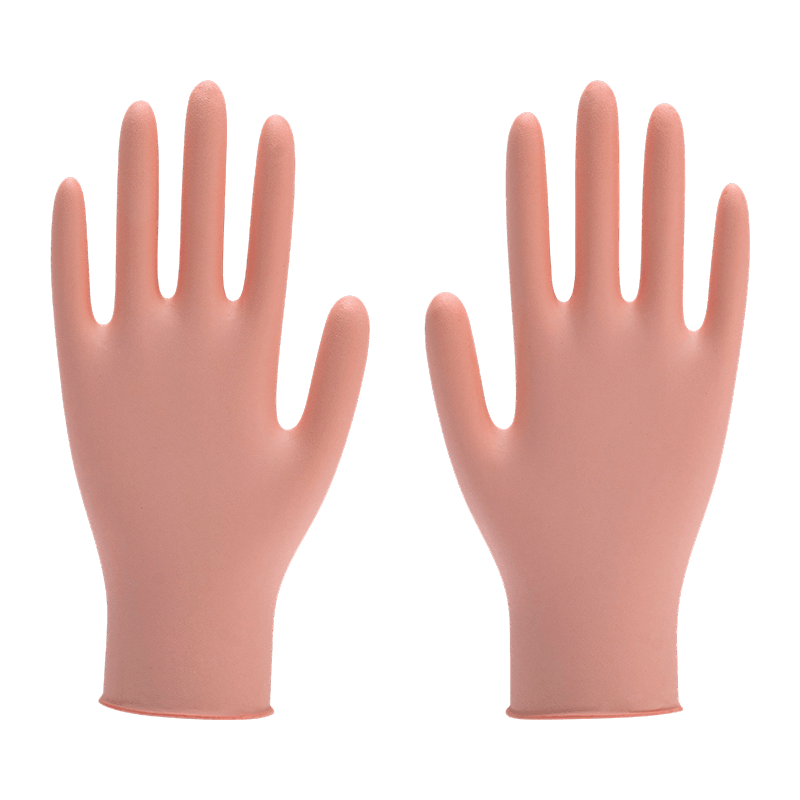 9 inch XS Medical Powdered Nitrile Gloves
-
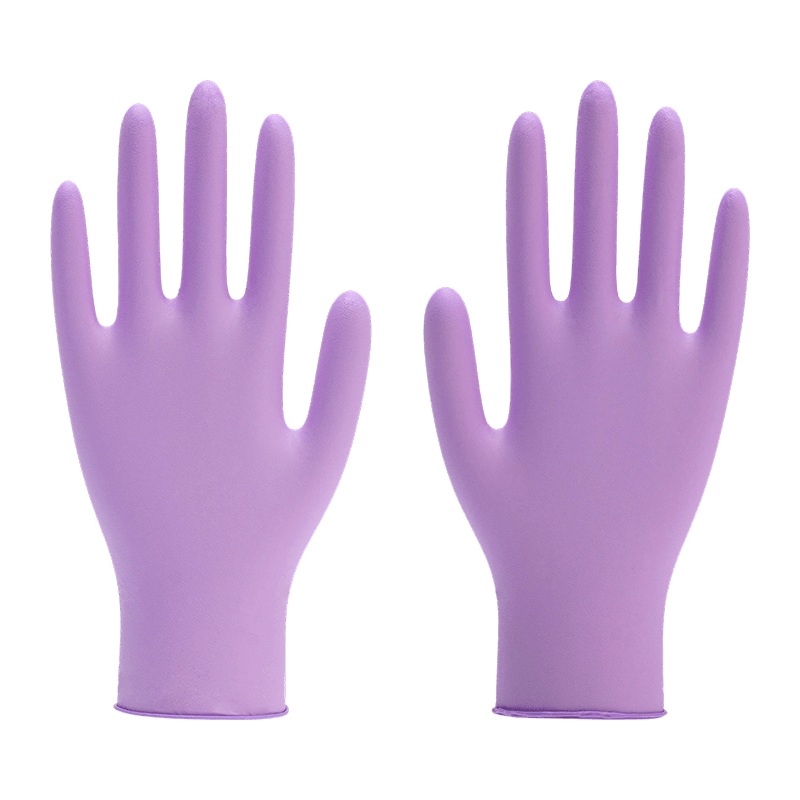 9 inch XS Biosafety Protection Powder-Free Nitrile Gloves
-
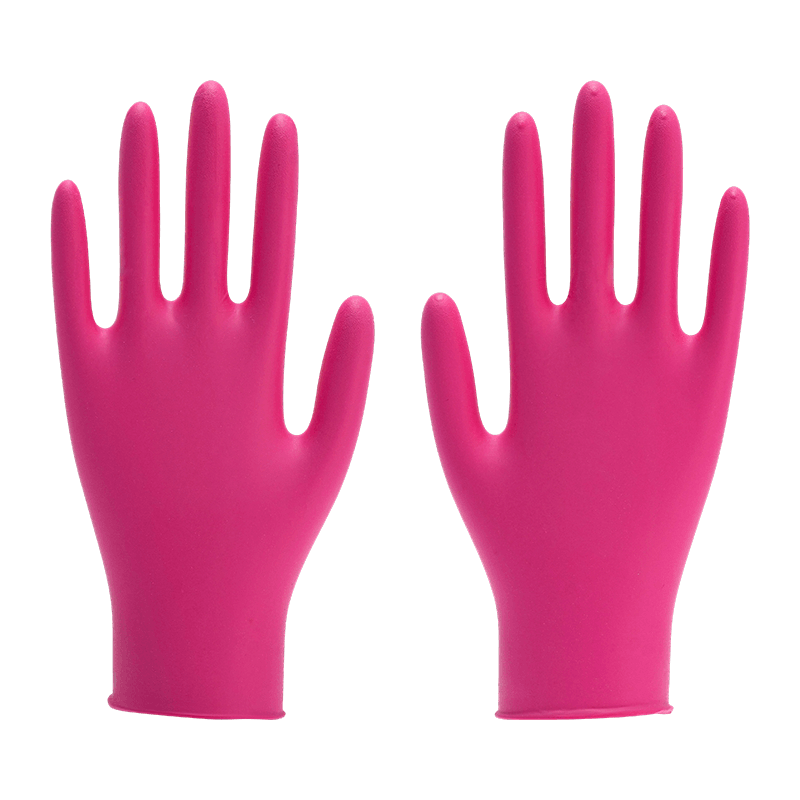 9 inch M Food-Grade Powder-Free Nitrile Gloves
-
 9 inch XXL Biosafety Protection Powder-Free Nitrile Gloves
News
-
-
Why Nitrile Gloves Dominate Every Disposable Glove Market Nitrile Gloves have become the dominant disposable glove material globally across medical, industrial, food, and biosafety applications becau...
READ MORE -
If you buy disposable gloves in bulk, you have probably asked a supplier a very simple question and received a rather slippery answer: how many gloves are in a case? The honest short answer is usuall...
READ MORE -
Bottom line first Nitrile gloves are now the dominant choice for medical use across most healthcare settings — offering latex-level barrier protection without allergy risk, broader chemical resista...
READ MORE
Get A Free
Custom Quote!
Custom Quote!

We are committed to providing integrated solutions for nitrile gloves and non-woven products.
Get a Quote
Disposable Gloves
Quick Links
E-mail
gatherlucky-sales5@nt-huifu.com
Call Us
+86-18012229099
+86-18012229096
+86-18012229099
AddressNo.7 Wenzhou Road,Economic Development Zone,Shuyang County,Suqian, Jiangsu Province, China, 223600
copyright © Jiangsu Complete Sincerity Medical New Materials Co.,Ltd. All rights reserved.
 Registration Number: 2021200 / 2021200
This website is intended for users outside of China