
 English
 Español
 日本語
 русский

Why Nitrile Gloves Dominate Every Disposable Glove Market Nitrile Gloves have become the dominant disposable glove material globally across medical, industrial, food, and biosafety applications becau...
READ MORE
News Category
Product Category
12-Inch XXL Industrial Powdered Nitrile Gloves: Protection, Performance, and Scalable Manufacturing

Industrial workplaces require gloves that balance protection, comfort, grip, durability, and supply reliability. In applications involving chemicals, oils, food ingredients, maintenance materials, cleaning agents, laboratory substances, and general industrial contaminants, hand protection must perform consistently throughout the working day. The 12-Inch XXL Industrial Powdered Nitrile Gloves described in this article are designed for users who need extended wrist coverage, a generous fit, and the practical performance of nitrile in demanding environments.
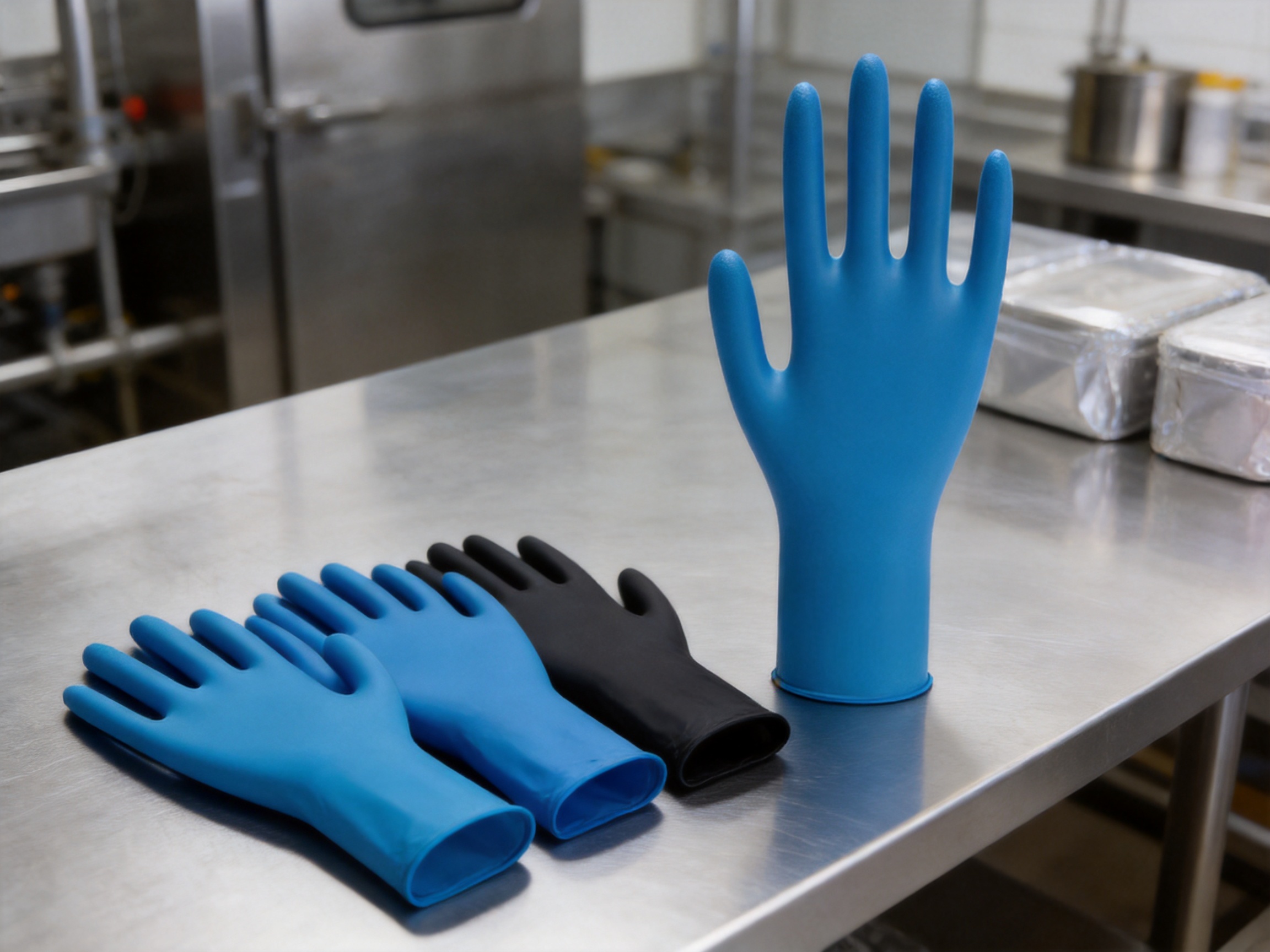
These gloves combine a nitrile formulation with a longer 12-inch cuff, an XXL size, textured fingertips, ambidextrous construction, and a controlled powder content of 10 mg. Blue and black are available as standard color options, while color and selected weight specifications can be customized for different purchasing programs. The product is manufactured by Jiangsu Complete Sincerity Medical New Materials Co., Ltd., a large-scale Chinese producer of examination gloves and non-woven products with advanced production infrastructure and a daily output exceeding one million pieces.
For buyers comparing disposable gloves from different suppliers, the value of this product extends beyond the glove itself. Consistent raw-material management, controlled production conditions, standardized inspection, packaging efficiency, customization capability, and experience with international quality systems all influence the total purchasing result. A glove that performs well but arrives with inconsistent sizing, variable thickness, weak packaging, or unstable delivery can create higher costs for distributors and end users. A dependable manufacturing partner therefore becomes an important part of product performance.
Product Overview
The 12-Inch XXL Industrial Powdered Nitrile Gloves are disposable protective gloves intended for industrial, commercial, food-related, medical-support, laboratory, cleaning, and biosafety-conscious applications, subject to the requirements of the end user and applicable regulations. They are made from nitrile, a synthetic rubber material widely selected as an alternative to natural rubber latex.
The 12-inch length is a central feature of this model. Compared with a conventional examination glove with a shorter cuff, an extended glove reaches farther up the wrist and lower forearm. This additional coverage can help reduce the exposed gap between a glove and a protective sleeve, work garment, or apron. It is particularly useful when workers handle liquids, powders, cleaning solutions, oils, or materials that may otherwise travel toward the wrist during movement.
The XXL size provides a roomier fit for users with larger hands or for workplaces where workers prioritize ease of donning and removal. A suitable fit remains important even in a large-size glove. Excessive looseness can reduce tactile control, while insufficient room can increase hand fatigue and the risk of tearing during use. The XXL format is therefore best matched with users whose hand dimensions require a broader palm and finger profile.
Nitrile provides several practical advantages for industrial glove users. It is latex-free, which makes it suitable for workplaces seeking to reduce exposure to natural rubber latex proteins. It also offers good resistance to puncture and tearing in many general-use situations, while maintaining flexibility for routine handling tasks. Performance depends on the specific chemical, concentration, temperature, contact time, and applicable test standard, so users should always confirm compatibility before using the gloves with hazardous substances.
| Product attribute | Specification | Practical significance |
| Product type | Industrial powdered nitrile glove | Designed for general industrial and handling applications |
| Length | 12 inches | Provides extended wrist and lower-forearm coverage |
| Available length information | 9 inches / 12 inches | Supports selection between standard and extended cuff formats |
| Size | XXL | Suitable for users requiring a larger glove profile |
| Material | Nitrile | Latex-free synthetic rubber construction |
| Powder content | 10 mg | Supports easier donning in selected work environments |
| Color | Blue and black; customizable | Allows standard selection or program-specific identification |
| Packaging | 100 pieces per box; 10 boxes per carton | Provides 1,000 gloves per carton for inventory planning |
| Weight customization | Approximately 3 to 6.8 grams, according to specification | Allows adjustment of material usage and glove feel |
Why a 12-Inch Cuff Matters in Industrial Work
Glove length is often overlooked when purchasers compare products, yet it directly influences how well a glove integrates with the rest of a worker’s protective equipment. A short glove may be adequate for dry handling, inspection, or brief low-risk tasks. However, when the user works with liquids, wet surfaces, powders, or materials that may move along the forearm, a longer cuff can provide a more practical protective interface.
The 12-inch design extends beyond the wrist and can be tucked under or worn over a sleeve depending on the task. This helps users create a more continuous barrier between the hand and the surrounding work environment. In cleaning operations, food processing, maintenance, and laboratory support work, extended coverage may help limit contamination of the lower forearm and reduce the amount of exposed skin.
Longer gloves can also support more efficient work practices. Workers may spend less time adjusting sleeves or replacing gloves that have become wet at the cuff. In areas with frequent glove changes, even small improvements in convenience can influence productivity. A glove that is easy to put on, comfortable enough for repeated use during a shift, and sufficiently long for the task can help reduce interruptions.
The extended cuff does not replace task-specific protective clothing. Users handling hazardous chemicals, infectious materials, sharp objects, or high-temperature substances should select a complete protective system based on a formal risk assessment. The 12-inch nitrile glove is a component of that system, not a universal substitute for chemical-resistant gauntlets, cut-resistant gloves, thermal gloves, or certified biological protective equipment where those products are required.
Advantages of Nitrile Over Common Disposable Glove Alternatives
Latex-Free Composition
One of the most important advantages of nitrile is that it does not contain natural rubber latex. Many organizations have policies designed to reduce latex exposure among employees, patients, visitors, and customers. A latex-free glove can simplify procurement for facilities that serve diverse populations or operate in environments where the user’s allergy status may not be known.
Latex-free construction is especially relevant in medical-support areas, laboratories, food-handling operations, salons, cleaning services, and public-facing workplaces. Although a latex-free designation does not mean that every user is free from all possible skin sensitivities, it removes natural rubber latex as one potential concern. This makes nitrile a practical material choice for broad workplace deployment.
Balanced Puncture and Tear Performance
Compared with many thin polyethylene or vinyl alternatives, nitrile generally provides a stronger and more flexible material platform for tasks requiring repeated hand movement. The glove can conform to the hand while maintaining resistance to ordinary stretching, friction, and handling stress. This balance is valuable in industrial work, where gloves may be exposed to rough packaging, tools, containers, and frequent gripping.
Glove thickness and weight influence performance. The available customization range of approximately 3 to 6.8 grams allows purchasers to discuss a configuration that matches the intended use, cost target, and desired hand feel. Lighter specifications may support economy and flexibility for low-demand tasks, while heavier specifications may be considered when users need a more substantial glove. The final specification should be confirmed with the manufacturer according to the required dimensions, tolerance, and testing results.
Better Flexibility Than Many Heavy Reusable Options
Reusable industrial gloves can be appropriate for long-duration or specialized tasks, but they may require cleaning, inspection, drying, and controlled storage between uses. Disposable nitrile gloves provide a different operating model. They can be changed quickly when contaminated, damaged, or transferred between work areas. This can help simplify hygiene management and reduce the risk of carrying contaminants from one task to another.
The disposable format is not automatically more economical in every situation. Cost effectiveness depends on usage frequency, contamination levels, disposal requirements, and the risk associated with glove failure. Nevertheless, for operations that require frequent changes or strict separation between tasks, disposable nitrile gloves can offer an efficient and controllable solution.
Useful Grip Characteristics
The gloves feature textured fingertips, which are designed to improve grip and handling control. Texturing can be useful when workers handle smooth containers, tools, packaging films, wet items, or small components. Improved fingertip traction may help reduce accidental slips and the need to grip objects with excessive force.
Grip performance is affected by many factors, including moisture, oil, glove surface design, object shape, and the user’s technique. Textured fingertips are therefore a practical feature rather than a guarantee of performance in every environment. Users should evaluate the gloves with the actual materials and tools used at the worksite.
12 inch XXL Industrial Powdered Nitrile Gloves
Design Features Supporting Everyday Use
Ambidextrous Construction
The ambidextrous design allows either glove to be worn on either hand. This simplifies distribution and reduces the need to match left and right gloves during use. It can be particularly helpful in fast-moving workplaces where gloves are taken from an open box and donned quickly.
Ambidextrous packaging also reduces the complexity of stock management. Distributors and end users do not need to hold separate quantities of left-hand and right-hand gloves. If one glove is damaged or contaminated, a replacement can be selected without searching for a specific side. This can improve convenience in production lines, sanitation teams, warehouses, laboratories, and service operations.
Powdered Interior
The product contains 10 mg of powder. Powder can support easier donning by reducing friction between the glove interior and the user’s skin, particularly when hands are warm or slightly damp. This feature may be valued in industrial situations involving repeated glove changes, provided that the work environment permits powdered gloves.
Powdered gloves are not appropriate for every application. Powder can be undesirable in some medical, laboratory, food, electronics, cleanroom, and precision manufacturing environments because loose particles may interfere with processes or contaminate products. Purchasers should confirm whether the intended workplace permits powder and whether a powder-free alternative is more suitable. The manufacturer’s product selection should be aligned with the customer’s regulatory, hygiene, and process requirements.
Color Options and Custom Identification
Blue and black are listed as available colors, with additional color customization possible according to the product program. Color can support simple visual identification. For example, a facility may assign different colors to separate departments, tasks, risk levels, production lines, or sanitation zones. Black gloves can also provide a professional appearance and may visually conceal some dark residues, while blue is widely recognized in many food and industrial environments.
Color coding should be managed through documented procedures. A color by itself does not indicate a particular level of chemical or biological protection. Organizations should combine color selection with labeling, staff training, storage controls, and task-specific instructions.
Large-Size Fit
The XXL configuration is intended for users who require greater hand width and finger room. A properly selected large-size glove can improve comfort and reduce stretching across the palm. This is important for workers who wear gloves for extended periods or perform tasks involving repeated flexion and gripping.
Size selection should be based on the user’s hand measurements and practical trial use. Hand shape varies considerably, and an XXL glove may fit one user comfortably while being too loose for another. Buyers can request samples, size information, and production specifications before placing a large order. This is particularly important when the gloves will be distributed across a workforce with different hand dimensions.
Manufacturing Strengths Behind Product Consistency
Product performance is closely connected to manufacturing discipline. Jiangsu Complete Sincerity Medical New Materials Co., Ltd. operates as a professional manufacturer of medical examination gloves and non-woven products. The company has a total investment of RMB 1.08 billion and a construction area of 32,000 square meters. Its scale provides a substantial foundation for organized production, equipment investment, quality management, and supply planning.
The company operates advanced production lines with a stable daily output of more than one million pieces. High output alone does not guarantee quality, but a large and structured manufacturing platform can support repeatable processes when it is combined with proper controls. For international buyers, this capacity can be valuable because it supports larger purchase programs, recurring orders, private-label projects, and supply continuity.
Large-scale capacity may also reduce dependence on short production runs. When a customer needs a consistent specification over multiple shipments, the supplier must be able to maintain the same material selection, dimensions, color, packaging format, and inspection requirements. A manufacturer with organized production resources is better positioned to establish repeatable operating procedures for these requirements.
Full-Process Temperature Control
Nitrile glove production involves multiple stages in which temperature can influence material behavior, coating formation, curing, and final physical properties. The company applies full-process temperature control as part of its manufacturing approach. Controlled temperature conditions help support consistency between production stages and reduce the potential for uncontrolled variation.
Temperature management is relevant from the preparation of raw materials through forming, dipping, drying, curing, and finishing. When the production environment is stable, process parameters can be monitored and adjusted according to documented requirements. This contributes to more predictable glove dimensions, surface characteristics, elasticity, and overall appearance.
Standardized Production Environments
The company emphasizes standardized production environments and comprehensive process supervision. Standardization may include defined operating procedures, equipment maintenance schedules, worker training, production records, environmental controls, and inspection checkpoints. These systems help convert individual manufacturing steps into a controlled process that can be reviewed and improved.
Standardized environments are especially important for disposable products because customers expect large quantities to be substantially uniform. Variations in cuff shape, finger length, color, surface texture, or packaging can create problems during distribution and use. A controlled production system helps minimize these inconsistencies and supports more reliable purchasing outcomes.
Strict Quality Management
Quality management begins with the selection and verification of raw materials. It continues through production monitoring, in-process inspection, final testing, packaging checks, and shipment release. The company describes its quality approach as strict, with comprehensive supervision across the process.
For nitrile gloves, relevant quality considerations can include size, length, visual appearance, surface condition, elasticity, tensile performance, powder level, pinhole control, cuff integrity, and packaging accuracy. The exact tests and acceptance criteria depend on the intended product classification and customer requirements. Buyers should request the applicable technical documents and test reports for the specific configuration being purchased.
Quality and Compliance Orientation
The company manufactures products in accordance with recognized standards and certifications, including FDA, CE, ISO 13485, ISO 9001, EN455, EN374, ASTM D6319, ASTM F1671, and ASTM D6978. These references cover different aspects of quality management, medical gloves, chemical or microorganism protection, material performance, and resistance to permeation or penetration. Not every listed standard applies to every product or every market, so purchasers should verify which certifications and test results correspond to the exact glove model, factory, production batch, and intended use.
ISO 13485 is associated with quality management systems for medical devices, while ISO 9001 provides a broader quality management framework. EN455 relates to requirements for medical gloves, and ASTM D6319 addresses nitrile examination gloves. EN374 and related testing may be relevant where chemical or microorganism protection claims are made. ASTM F1671 concerns resistance to penetration by blood-borne pathogens under specified test conditions, while ASTM D6978 is associated with permeation testing for certain highly hazardous drugs.
Standards should be treated as tools for verification rather than general marketing statements. A responsible procurement process examines the certificate scope, test method, product name, manufacturing site, date, and applicable performance level. The workplace should also consider whether the glove’s length, powder content, size, and weight match the tested configuration.
The company’s stated product strengths include reliable barrier protection, textured fingertips, comfortable fit, durability, ambidextrous design, strict pinhole control, and latex-free materials. These characteristics address the main concerns of glove users: preventing unwanted contact, maintaining handling ability, avoiding premature failure, and supporting efficient work. The actual protection level will always depend on the specific product specification and the conditions of use.
Comparison with Competing Glove Categories
Compared with Polyethylene Gloves
Polyethylene gloves are often selected for very light-duty tasks because they are inexpensive and easy to replace. However, their loose fit and lower resistance to stretching can limit handling control. They may be suitable for brief food-service or inspection activities but are less appropriate when workers need a closer fit, stronger grip, or improved resistance to routine friction.
The 12-inch XXL nitrile glove offers a more secure hand interface and extended cuff coverage. Its textured fingertips and flexible synthetic rubber construction can make it more suitable for tasks requiring repeated grasping or contact with liquids. The higher material value may be justified when glove failure or poor control would reduce productivity or increase contamination risk.
Compared with Vinyl Gloves
Vinyl gloves can be economical and may perform adequately in low-risk, short-duration applications. However, they may provide less elasticity and a less conforming fit than nitrile, particularly during repetitive movement. Nitrile is often preferred when the user needs a combination of flexibility, durability, and closer hand coverage.
The choice should still reflect the task. If the work involves minimal contact, short wear time, and limited mechanical stress, vinyl may be sufficient. If the task involves frequent gripping, extended wear, or a higher likelihood of stretching and tearing, the nitrile option can provide a stronger performance balance.
Compared with Latex Gloves
Latex gloves are known for flexibility and tactile sensitivity, but natural rubber latex may be unsuitable where allergy concerns exist. Nitrile provides a latex-free alternative with good flexibility and practical durability. For organizations seeking a standard glove across multiple departments, nitrile may simplify purchasing and reduce the need to manage latex and non-latex inventories separately.
Compared with Short-Cuff Nitrile Gloves
A conventional short-cuff nitrile glove may be entirely adequate for dry handling or tasks where the wrist is not exposed. The 12-inch version provides an advantage when additional coverage is needed. It can reduce the exposed gap around the wrist and improve compatibility with sleeves and protective garments.
The longer design may use more material and can feel warmer than a short glove. It may also be less convenient for tasks requiring rapid wrist movement in a dry environment. Buyers should therefore select the 12-inch configuration when the extended coverage provides meaningful value, rather than treating length as an automatic substitute for task assessment.
Customization for Industrial and Distribution Programs
Customization is one of the product’s practical commercial advantages. Colors and weights can be customized while dimensions remain unchanged, and the stated weight customization range is approximately 3 to 6.8 grams. This allows buyers to develop a glove configuration that aligns with their market, application, and pricing strategy without changing the basic dimensional format.
Color customization can help distributors offer differentiated product lines. A supplier may use one color for general industrial customers, another for food-related accounts, and a third for facility sanitation programs. Private-label or contract customers can also coordinate glove color with packaging and workplace identification systems, subject to feasibility and minimum order requirements.
Weight customization can influence the balance between cost, flexibility, coverage, and user perception. A lighter glove may be attractive for high-volume routine tasks where dexterity and low unit cost are priorities. A heavier glove may be preferred for users who want a more substantial feel or who encounter greater mechanical stress. Weight should not be used as the only indicator of protection; testing, thickness distribution, material formulation, and design are also important.
Because dimensions remain unchanged, customers can maintain a familiar size and length structure while adjusting selected product characteristics. This can simplify product development and reduce the disruption associated with introducing a new glove into an established procurement system. Before mass production, the buyer should approve a confirmed sample, technical specification, color standard, packaging artwork, and inspection criteria.
Recommended Customization Workflow
A practical customization project begins with a written product brief. The brief should identify glove length, size, material, powder status and amount, target weight, color, packaging, labeling, carton quantity, and intended market. It should also identify any required standards, certifications, restricted substances, or customer-specific testing.
The manufacturer can then prepare a sample or pre-production specification. The buyer should evaluate fit, cuff length, surface texture, powder level, color, packaging, and user acceptance. If the product is intended for chemical, medical, food, or biosafety-related work, additional technical review may be necessary.
After approval, the parties should define production tolerances and inspection procedures. This prevents misunderstandings between a reference sample and subsequent shipments. A clear specification is especially important when customized weight or color is involved because small variations may be noticed by end users even when the product remains within acceptable technical limits.

Packaging, Logistics, and Inventory Efficiency
The listed packaging format is 100 pieces per box and 10 boxes per carton, providing 1,000 gloves per carton. This structure is convenient for both wholesale distribution and workplace consumption. Individual boxes can be issued to departments or workstations, while full cartons can be stored in a central warehouse.
Box-level distribution supports better inventory control than loose bulk handling. Supervisors can allocate a defined quantity to a production area, monitor consumption, and reorder according to actual usage. The carton format also helps distributors calculate pallet requirements, warehouse space, and shipment quantities.
Packaging should protect the gloves from dust, moisture, crushing, and unnecessary exposure during transport and storage. Cartons should be stored in a clean, dry area away from direct sunlight, excessive heat, ozone-generating equipment, and chemicals that could affect the material. Stock rotation is recommended so that older inventory is used according to the supplier’s stated shelf-life guidance.
For large purchasing programs, packaging consistency is as important as glove consistency. Correct carton markings, quantities, lot information, product identification, and shipping documentation help reduce receiving errors. A manufacturer experienced in high-volume production can support standardized packing practices and recurring shipment schedules.
Applications Across Multiple Industries
Industrial Maintenance
Maintenance workers often encounter lubricants, oils, greases, cleaning materials, dust, and general workshop residues. The extended cuff can help reduce exposure around the wrist, while nitrile offers a flexible surface for handling tools and components. The glove is suitable for general protective tasks when the material compatibility has been confirmed.
Cleaning and Sanitation
Cleaning teams may need disposable gloves for routine surface cleaning, waste handling, restroom sanitation, and equipment preparation. A longer cuff can be useful when workers handle wet cloths, cleaning containers, or splash-prone materials. Users should select a glove with verified chemical compatibility for concentrated disinfectants, solvents, acids, alkalis, or other aggressive substances.
Food Handling
Blue gloves are frequently used in food-related environments because the color can be visually distinguishable from many food ingredients. This can support foreign-object awareness and workplace inspection procedures. However, food-contact suitability, powder requirements, local regulations, and customer policies must be confirmed before use. Powder may be prohibited or undesirable in certain food-processing operations.
Laboratory and Research Support
Nitrile gloves are widely used for general laboratory support, sample preparation, cleaning, and handling tasks. The glove’s textured fingertips may help with small containers and instruments. Laboratory managers should evaluate powder restrictions, chemical permeation data, and whether a sterile or powder-free product is required for the particular process.
Medical-Support and Examination Environments
The manufacturer specializes in medical examination gloves, and its quality orientation includes standards associated with medical devices and examination gloves. The industrial powdered model, however, must be selected according to the specific requirements of the medical environment. Some clinical or patient-contact settings require powder-free, examination-grade, or sterile gloves. Product labeling and regulatory documentation should be reviewed before use in such settings.
General Biosafety and Waste Handling
In waste handling, sanitation, and biosafety-support activities, disposable nitrile gloves can help create a replaceable barrier between the user’s hands and contaminated materials. The glove should be used together with appropriate gowns, masks, eye protection, and hand hygiene procedures where required. Users must not assume that a disposable glove is suitable for every biological hazard without reviewing the relevant test data and work instructions.
Worker Comfort and Operational Efficiency
Comfort affects whether workers use gloves correctly and consistently. A glove that is too tight, too loose, difficult to don, or prone to tearing may encourage improper use or frequent adjustments. The XXL size, flexible nitrile material, ambidextrous format, and optional powder are intended to support practical day-to-day handling.
The textured fingertips can help users maintain control without excessive gripping force. This may be useful during repetitive work, although comfort depends on the overall fit and the specific hand dimensions of the user. Employers should provide multiple sizes when necessary rather than expecting every worker to use the same size.
Extended cuffs can improve confidence when the worker handles liquids or materials near the wrist. Confidence should be supported by training, not used as a replacement for protective procedures. Workers should know how to inspect gloves, put them on correctly, remove them without contaminating their hands, and dispose of them in the correct waste stream.
Replacing gloves at appropriate intervals is also important. A disposable glove should be changed when it is torn, punctured, visibly contaminated, wet inside, or transferred between incompatible tasks. Extended length and nitrile material improve the glove’s usefulness, but they do not eliminate the need for regular inspection and replacement.
Environmental and Sustainability Considerations
Disposable gloves must be managed responsibly because high-volume use creates a significant materials and waste burden. The company states that it is working to reduce energy consumption and emissions, improve resource recycling, use more environmentally friendly materials and processes, maintain clean production environments, and cooperate with supply-chain partners on shared sustainability goals.
Manufacturing efficiency can contribute to sustainability when it reduces material waste, rejects, energy use, and unnecessary transport. Stable production parameters may help limit defective products and reduce the resources associated with rework or disposal. Large-scale operations can also support more systematic environmental monitoring and equipment improvement.
Customers can contribute by selecting the correct glove specification rather than automatically purchasing the heaviest available product. A glove should be sufficiently protective for the task without using more material than necessary. Clear work procedures can also reduce unnecessary glove changes while still maintaining hygiene and safety requirements.
End-of-life disposal depends on the material handled and local waste rules. Gloves contaminated with hazardous chemicals, biological materials, or pharmaceuticals may require controlled disposal. Clean, non-hazardous used gloves may follow different procedures. Organizations should establish written disposal instructions and avoid making unsupported recyclability claims unless an appropriate local program is available.
How This Product Creates Competitive Value
The main competitive value of the 12-inch XXL glove comes from the combination of features rather than from one isolated specification. Extended coverage, nitrile construction, large sizing, textured fingertips, ambidextrous use, powder availability, color options, and customized weight provide a flexible platform for different industrial purchasing needs.
Many competing gloves may offer one or two of these characteristics, but buyers often need to coordinate several requirements simultaneously. A glove may have the correct material but an insufficient cuff. Another may have a long cuff but limited sizing. A third may offer custom color but lack stable production capacity. The described product is positioned for customers seeking a combined solution supported by a manufacturer with substantial production infrastructure.
The company’s large investment, 32,000-square-meter construction area, advanced production lines, daily capacity of more than one million pieces, temperature control, and quality-management orientation support its suitability for high-volume procurement. These factors can be particularly valuable to importers, distributors, industrial groups, government procurement organizations, and private-label customers.
Another competitive strength is the company’s broader product experience. In addition to nitrile gloves, it specializes in non-woven products, including medical protective clothing. This broader manufacturing focus may help customers consolidate sourcing for selected disposable protective products. A consolidated supplier can reduce administrative complexity, although buyers should still assess each product category independently.
Reliability also includes communication and service. The company presents itself as committed to professionalism, integrity, sustainability, stable quality, and sincere service. For international buyers, these values should be supported by clear specifications, prompt technical responses, accurate documentation, transparent lead times, and effective after-sales communication.
Procurement Checklist for Buyers
Before purchasing, buyers should define the intended task and exposure conditions. Important questions include whether the glove will contact chemicals, food, biological materials, oils, sharp edges, pharmaceutical compounds, or high-temperature surfaces. The answer determines whether a general industrial disposable glove is sufficient or whether a specialized product is required.
Buyers should confirm the final product configuration, including 12-inch length, XXL size, color, weight, powder content, packaging, and labeling. If the purchase is based on a 9-inch or 12-inch product family, the order documents should clearly identify the selected length to prevent confusion during production and receiving.
Technical documentation should include the applicable product specification, inspection criteria, test results, certificate scope, manufacturing site, and lot traceability information. For regulated applications, the buyer should check the requirements of the destination country and the end-use sector.
Sample evaluation is recommended before a full-scale order. Workers should test the gloves during representative tasks, including donning, gripping, stretching, tool handling, and removal. The evaluation should record comfort, finger length, cuff position, powder acceptability, surface grip, and any signs of tearing or premature failure.
| Procurement question | Why it matters |
| Is 12-inch length required? | Confirms whether extended wrist coverage is necessary for the task. |
| Does the workplace permit powdered gloves? | Prevents process, hygiene, food, laboratory, or medical conflicts. |
| Is XXL the correct size for the workforce? | Supports comfort, dexterity, and reduced hand fatigue. |
| What weight range is required? | Balances glove feel, flexibility, cost, and intended duty level. |
| Is a specific color needed? | Supports identification, brand programs, or department separation. |
| Which standards apply? | Ensures that claims and documentation match the destination market. |
| What packaging quantity is required? | Helps plan storage, distribution, consumption, and shipping. |
| Are samples and pre-shipment inspections needed? | Confirms the final configuration and reduces quality disputes. |
Storage, Use, and Handling Recommendations
Gloves should remain in their original packaging until needed. Storage areas should be clean, dry, and protected from direct sunlight. Excessive heat, humidity, ozone, solvents, oils, and sharp objects may affect packaging or glove material. Cartons should not be stacked in a way that causes crushing or deformation.
Before use, workers should check that the packaging is intact and that the gloves are free from visible damage. They should select the correct size and avoid wearing a glove that is obviously stretched beyond its intended fit. If the glove tears during work, the user should stop when safe to do so, remove it correctly, perform hand hygiene, and replace it.
Powdered gloves should be donned in a manner that minimizes unnecessary airborne powder. If powder becomes a process concern, the customer should discuss whether a powder-free version or another product configuration is available. The final choice should reflect the workplace’s documented safety and quality requirements.
Users should avoid washing and reusing disposable gloves. Washing may damage the material, remove surface properties, spread contamination, and create a false impression of continued protection. Disposable gloves should be replaced according to the work procedure and disposed of according to the contamination category.
Frequently Asked Questions
What is the main purpose of the 12-inch XXL Industrial Powdered Nitrile Gloves?
The gloves are intended to provide disposable hand protection with extended wrist and lower-forearm coverage. They are designed for industrial and general handling applications where users need nitrile material, a larger size, textured fingertips, and a longer cuff.
Are these gloves made from natural rubber latex?
No. The listed material is nitrile, and the product is described as latex-free. Organizations should still review the complete product documentation for their specific purchasing and regulatory requirements.
What does the XXL size mean?
XXL indicates a larger glove size intended for users with larger hands or for workplaces that require additional palm and finger room. Buyers should confirm the manufacturer’s size measurements and evaluate samples because hand proportions differ between users.
Are the gloves exactly 12 inches long?
The product is presented as a 12-inch glove, while the product information also lists 9 inches and 12 inches as available length options. Buyers should specify the required length clearly in quotations, samples, purchase orders, and final technical documents.
How much powder do the gloves contain?
The listed powder content is 10 mg. Powder suitability depends on the application. Some medical, food, laboratory, electronics, and clean manufacturing environments may require powder-free gloves or may restrict powdered products.
Can the glove color be customized?
Yes. Blue and black are listed, and colors are described as customizable. Custom color projects should include an approved color reference, minimum order requirements, production lead time, and packaging details.
Can the glove weight be customized?
Yes. The stated customization range is approximately 3 to 6.8 grams, while dimensions remain unchanged. The final weight, tolerance, material formulation, and performance requirements should be confirmed with the manufacturer before production.
How are the gloves packaged?
The listed packaging is 100 pieces per box and 10 boxes per carton, equal to 1,000 gloves per carton. Buyers should confirm whether the quantity refers to individual gloves or pairs and should verify the final packaging artwork before shipment.
Do textured fingertips improve grip?
Textured fingertips are designed to improve handling control, especially with smooth objects and tools. Actual grip depends on moisture, oil, object material, pressure, and work conditions, so users should conduct task-specific trials.
Can the gloves be used with chemicals?
Nitrile gloves may be suitable for contact with some chemicals, but compatibility depends on the chemical identity, concentration, temperature, exposure time, and glove specification. Users should review chemical-resistance data and conduct a professional risk assessment before handling hazardous substances.
Can the gloves be used in healthcare?
The manufacturer specializes in medical examination gloves, but the specific industrial powdered model must be evaluated against the requirements of the intended healthcare setting. Some clinical applications require powder-free, sterile, examination-grade, or other specially certified gloves.
What standards are associated with the manufacturer’s product capabilities?
The company identifies FDA, CE, ISO 13485, ISO 9001, EN455, EN374, ASTM D6319, ASTM F1671, and ASTM D6978 among its standards and certification references. Buyers should verify the exact certificate scope and test documentation for the specific glove model and market.
What makes the manufacturer suitable for large orders?
The company reports a total investment of RMB 1.08 billion, a construction area of 32,000 square meters, advanced production lines, and a stable daily output of more than one million pieces. These resources support high-volume production, recurring orders, and customization programs when matched with appropriate planning and quality controls.
How should the gloves be stored?
Store them in their original packaging in a clean, dry area away from direct sunlight, excessive heat, moisture, ozone, chemicals, and sharp objects. Follow the manufacturer’s storage and shelf-life instructions and rotate inventory appropriately.
Conclusion
The 12-Inch XXL Industrial Powdered Nitrile Gloves offer a practical combination of extended coverage, latex-free nitrile material, large sizing, textured fingertips, ambidextrous construction, 10 mg powder content, and customizable color and weight options. These features make the glove relevant to industrial maintenance, cleaning, food-related work, laboratory support, general handling, and other applications where disposable hand protection is required.
Its competitive value is strengthened by the manufacturer’s production scale and process-management capabilities. Jiangsu Complete Sincerity Medical New Materials Co., Ltd. operates advanced lines, applies full-process temperature control, maintains standardized production environments, and reports a stable daily output exceeding one million pieces. Its quality and compliance orientation includes recognized medical, industrial, and material-performance standards, while its broader expertise covers nitrile gloves and non-woven protective products.
For purchasers, the best results come from matching the product specification to the real work environment. The 12-inch length should be selected when extended wrist coverage is valuable. The XXL size should be confirmed through hand measurements and user trials. Powder suitability, chemical compatibility, regulatory requirements, packaging, and inspection criteria should all be reviewed before mass production or large-scale deployment.
When these factors are managed carefully, the product can serve as a reliable component of a broader workplace protection program. Its combination of functional design, scalable manufacturing, customization potential, and quality-management support gives distributors and professional users a strong basis for evaluating it against shorter-cuff, non-nitrile, or less customizable alternatives.
References
1. ASTM International. ASTM D6319, Standard Specification for Nitrile Examination Gloves for Medical Application.
2. ASTM International. ASTM F1671, Standard Test Method for Resistance of Materials Used in Protective Clothing to Penetration by Blood-Borne Pathogens.
3. ASTM International. ASTM D6978, Standard Practice for Assessment of Resistance of Medical Gloves to Permeation by Hazardous Drugs.
4. European Committee for Standardization. EN455, Medical Gloves for Single Use.
5. European Committee for Standardization. EN374, Protective Gloves Against Chemicals and Micro-Organisms.
6. International Organization for Standardization. ISO 13485, Medical Devices—Quality Management Systems—Requirements for Regulatory Purposes.
7. International Organization for Standardization. ISO 9001, Quality Management Systems—Requirements.
8. Product specification supplied for 12-Inch XXL Industrial Powdered Nitrile Gloves, including material, packaging, size, color, length, powder content, and customization information.
9. Manufacturer information supplied for Jiangsu Complete Sincerity Medical New Materials Co., Ltd., including production capacity, facility scale, manufacturing processes, quality systems, product range, and sustainability commitments.
Product: 12 inch XXL Industrial Powdered Nitrile Gloves
Featured Products
Recommended Products
-
 12 inch XS Food-Grade Powdered Nitrile Gloves
-
 9 inch XXL Biosafety Protection Powdered Nitrile Gloves
-
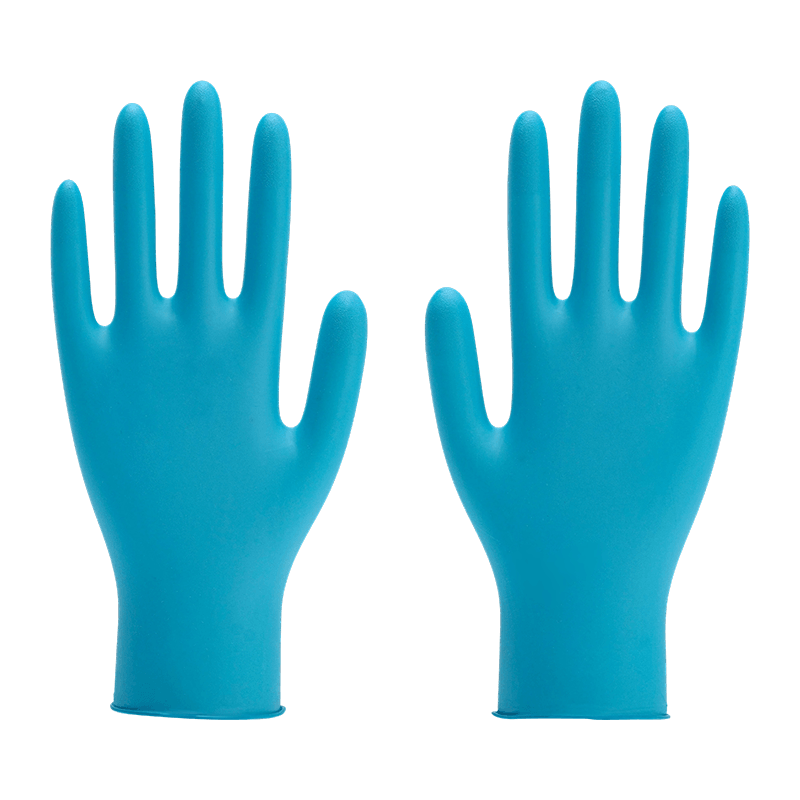 9 inch S Biosafety Protection Powdered Nitrile Gloves
-
 9 inch XXL Food-Grade Powdered Nitrile Gloves
-
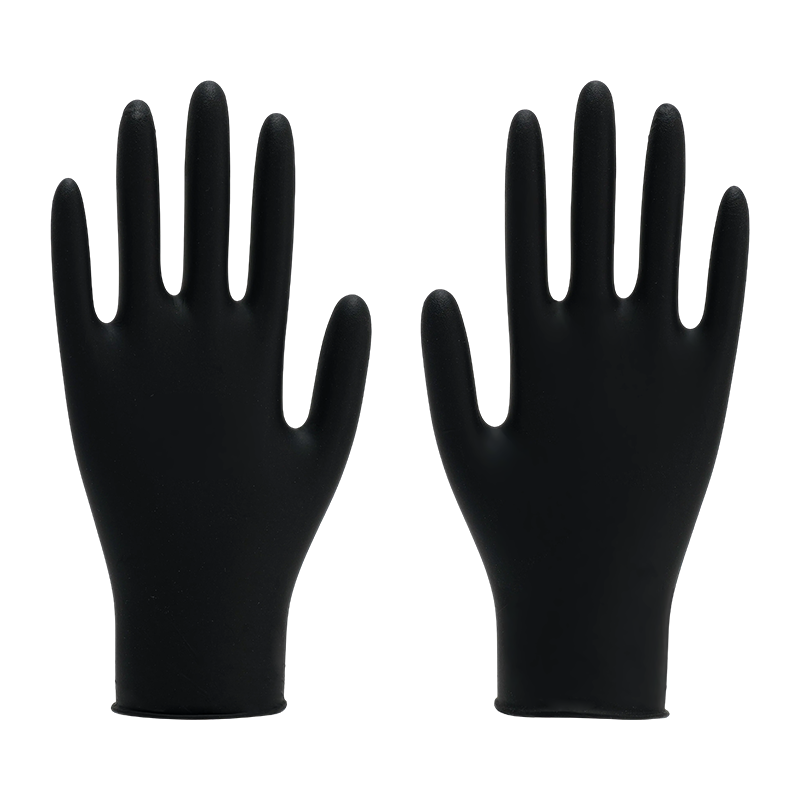 9 inch XS Biosafety Protection Powdered Nitrile Gloves
-
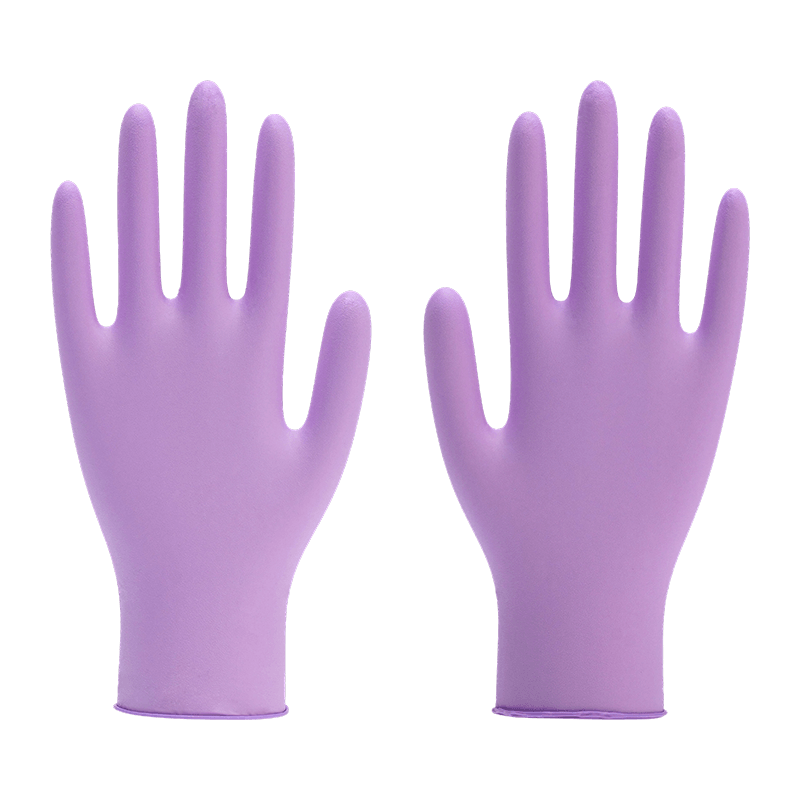 9 inch XXL Biosafety Protection Fingertip-Textured Nitrile Gloves
News
-
-
A hospital buyer, a plant supervisor, and a food processing manager can all type the same two words into a search engine—nitrile gloves—and each need a different product at the end of it. The materia...
READ MORE -
Bottom line first Nitrile gloves are now the dominant choice for medical use across most healthcare settings — offering latex-level barrier protection without allergy risk, broader chemical resista...
READ MORE -
If you need one answer: nitrile gloves are the better default choice for most tasks, because they resist punctures better, hold up against a wider range of chemicals, and carry no risk of triggering ...
READ MORE
Get A Free
Custom Quote!
Custom Quote!

We are committed to providing integrated solutions for nitrile gloves and non-woven products.
Get a Quote
Disposable Gloves
Quick Links
E-mail
gatherlucky-sales5@nt-huifu.com
Call Us
+86-18012229099
+86-18012229096
+86-18012229099
AddressNo.7 Wenzhou Road,Economic Development Zone,Shuyang County,Suqian, Jiangsu Province, China, 223600
copyright © Jiangsu Complete Sincerity Medical New Materials Co.,Ltd. All rights reserved.
 Registration Number: 2021200 / 2021200
This website is intended for users outside of China