
 English
 Español
 日本語
 русский

Why Nitrile Gloves Dominate Every Disposable Glove Market Nitrile Gloves have become the dominant disposable glove material globally across medical, industrial, food, and biosafety applications becau...
READ MORE
News Category
Product Category
9-Inch XXL Industrial Powdered Nitrile Gloves: Reliable Protection, Comfort, and Scalable Manufacturing
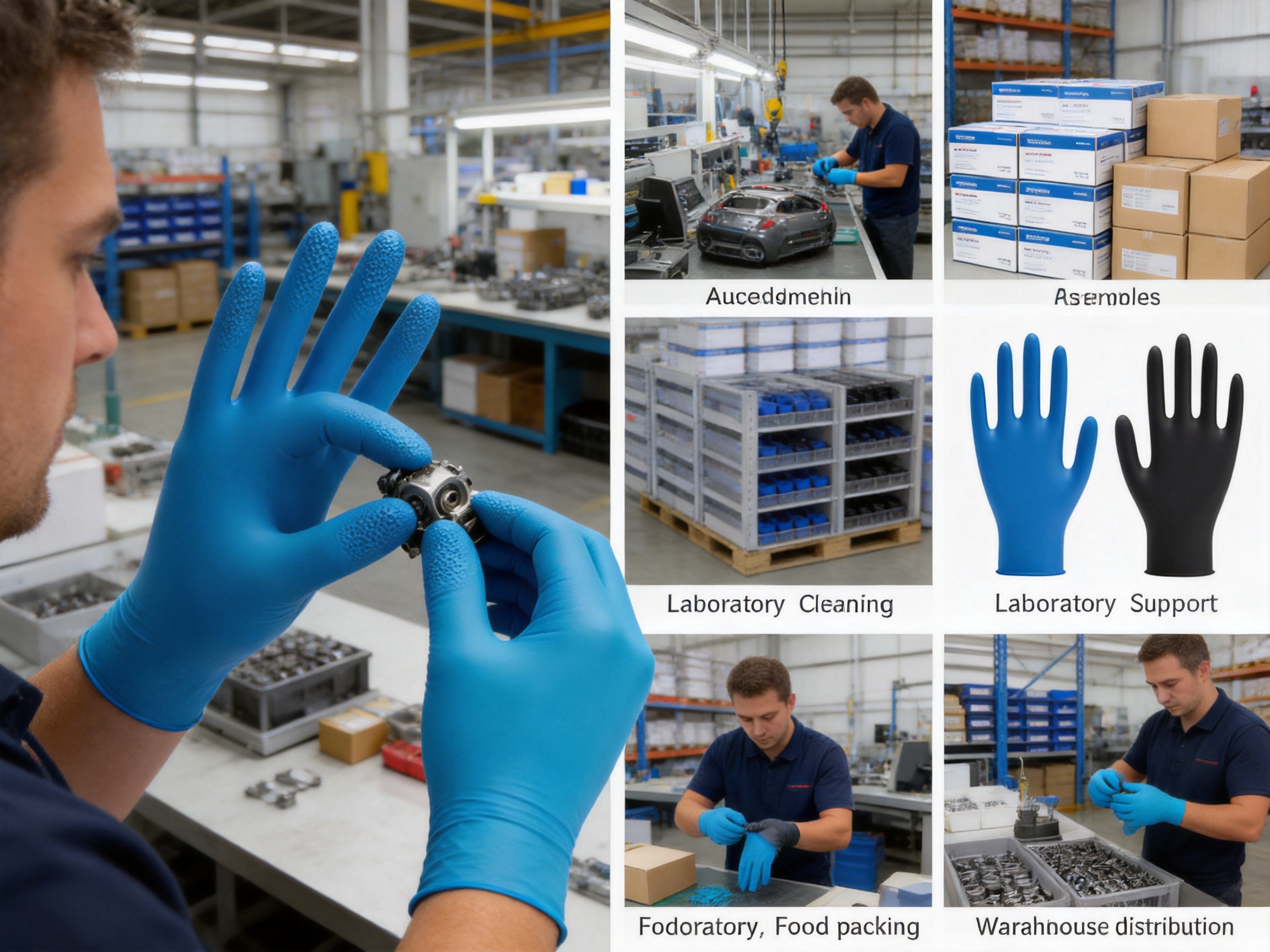
Industrial workplaces require hand protection that combines dependable barrier performance, practical comfort, secure grip, and consistent supply. The 9-Inch XXL Industrial Powdered Nitrile Gloves are designed for demanding environments where workers need a durable alternative to latex gloves and a product that can support high-volume operations. Manufactured from nitrile, these gloves provide a balance of flexibility, resistance, fit, and process consistency for industrial, food-handling, medical-support, biosafety, and general protective applications.
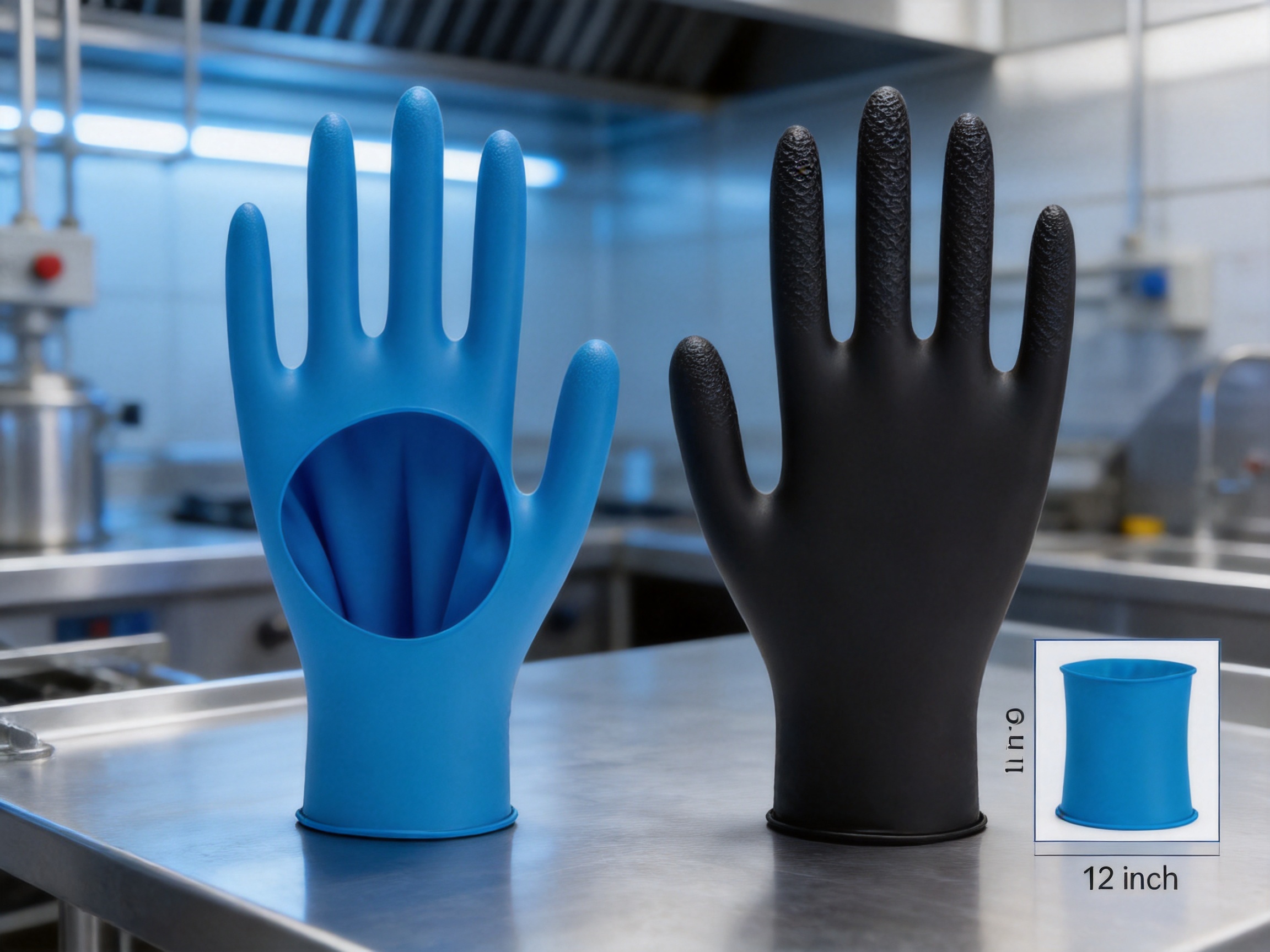
The gloves are available in blue and black, with additional color options available through customization. Their XXL size accommodates users who require a larger fit, while the standard 9-inch length provides coverage for the hand and wrist. A 12-inch length is also available for applications that require extended wrist protection. Customers can further discuss glove weight and color requirements, with specific weight customization ranging from 3 to 6.8 grams while dimensions remain unchanged.
Unlike ordinary disposable gloves that may prioritize low purchase cost over usability, this product is developed for buyers who need stable specifications and dependable production capacity. The manufacturing approach combines automated or advanced production lines, controlled processing conditions, inspection procedures, environmental management, and quality-system supervision. These factors help support consistent sizing, controlled pinhole performance, reliable packaging, and repeatable supply for distributors, industrial users, and original equipment manufacturing customers.
Product Overview
The 9-Inch XXL Industrial Powdered Nitrile Gloves are disposable protective gloves made from synthetic nitrile rubber. Nitrile is widely selected for applications where users want latex-free hand protection with a comfortable fit and useful resistance to puncture, tearing, oils, and many common workplace contaminants. The material also supports a smooth donning experience, especially when the glove interior contains a controlled amount of powder.
| Product Name | 9-Inch XXL Industrial Powdered Nitrile Gloves |
| Product Category | Industrial Powdered Nitrile Gloves |
| Material | Nitrile |
| Size | XXL |
| Standard Length | 9 inches |
| Optional Length | 12 inches |
| Available Colors | Blue and black, with customizable options |
| Powder Content | 10 mg |
| Packaging | 100 pieces per box, 10 boxes per carton |
| Weight Customization | Specific customization range from 3 to 6.8 grams |
| Design | Ambidextrous disposable glove with textured fingertips |
The packaging configuration is suitable for commercial distribution and organized workplace storage. Each box contains 100 gloves, and each carton contains 10 boxes. This format helps purchasing teams calculate inventory, establish regular replenishment schedules, and distribute gloves between departments without opening bulk packaging unnecessarily.
The product is particularly suitable for organizations that use a large number of gloves each day. Examples include production facilities, workshops, laboratories, food-processing areas, cleaning operations, inspection stations, maintenance departments, and medical-support environments. The exact suitability of the gloves should always be determined by the user’s risk assessment, chemical compatibility requirements, applicable regulations, and workplace procedures.
Why Nitrile Is an Effective Industrial Glove Material
Nitrile is a synthetic elastomer that has become a preferred glove material in many professional environments. Compared with natural rubber latex, nitrile avoids the use of natural latex proteins, making it a practical option for workplaces that want to reduce concerns associated with latex sensitivity. This latex-free construction also simplifies purchasing for facilities that serve diverse employee populations or customers with different material preferences.
Nitrile gloves offer a useful combination of elasticity and strength. Workers can bend their fingers, handle components, sort materials, and perform repetitive tasks without the glove feeling excessively rigid. At the same time, the material can provide greater resistance to puncture and tearing than many low-grade disposable gloves when the product is correctly manufactured and used within its intended application.
The synthetic composition also makes nitrile suitable for many operations involving light oils, grease, dirt, and general workplace residue. Nitrile is not universally resistant to every chemical, solvent, or hazardous substance, so buyers should obtain compatibility information for the specific substance and exposure condition. However, for common industrial handling and contamination-control tasks, nitrile provides a practical protective layer that is easy to replace after use.
Another advantage is the material’s adaptability to different glove weights. A lighter glove can support touch sensitivity and economical high-frequency use, while a heavier configuration can provide a more substantial feel for demanding handling. The available customization range of 3 to 6.8 grams allows buyers to discuss the most appropriate balance between flexibility, durability, tactile performance, and cost.
XXL Sizing for Larger Hands
Many industrial glove programs focus on small, medium, and large sizes while giving limited attention to users with larger hands. An overly tight glove can restrict movement, increase hand fatigue, and place unnecessary stress on the material around the fingertips and thumb. It can also make donning more difficult and increase the likelihood of tearing during use.
The XXL size is designed for workers who need additional hand room. A larger size can improve comfort by reducing excessive stretching across the palm and fingers. It may also support smoother hand movement when the worker must repeatedly grip tools, packages, parts, containers, or equipment controls. Proper sizing remains essential: a glove should fit securely without excessive looseness, and users should select the size that best corresponds to their hand measurements.
The ambidextrous design allows the gloves to be worn on either hand. This feature reduces sorting time and makes replacement simpler in busy work areas. If one glove is damaged, the user can take a replacement from the box without checking whether it is intended for the left or right hand. For facilities with high consumption rates, this small operational advantage can reduce waste and improve workflow efficiency.
The 9-inch length covers the hand and extends over the wrist. This is a common format for general industrial, inspection, cleaning, and handling work. For tasks where additional coverage is needed, the 12-inch version offers a longer cuff. Buyers can select the length based on the work process, sleeve arrangement, contamination concerns, and required freedom of movement.
Powdered Construction and Donning Efficiency
The gloves contain 10 mg of powder. A controlled powder level can help reduce friction between the glove interior and the user’s skin, supporting easier donning and removal during repeated changes. This feature can be useful in operations where workers must replace gloves frequently or where gloves are worn for multiple short tasks throughout a shift.
Powdered gloves should be selected according to the requirements of the working environment. Some applications, especially certain medical, laboratory, electronics, food, and cleanroom processes, may restrict or prohibit powder because residue can affect products, instruments, surfaces, or procedures. The product should therefore be matched to the customer’s operating requirements before purchase. Where powder-free protection is needed, buyers should request an appropriate product configuration.
For suitable industrial applications, the powdered interior may improve handling convenience and reduce the time spent struggling with gloves that cling to damp hands. Improved donning efficiency can be particularly valuable in hot workplaces, where perspiration can make glove changes difficult. It can also support better compliance with glove-changing procedures because users are less likely to delay replacement when a fresh pair is easy to put on.
Powder content must be controlled consistently. Excessive powder can create unnecessary residue, while insufficient or uneven powder can reduce the intended donning benefit. A professional manufacturing process therefore needs controlled formulation, stable application, and inspection procedures to help maintain uniformity from batch to batch.
Textured Fingertips for Practical Grip
Grip is an important consideration in industrial glove selection. Smooth gloves may be comfortable but can become difficult to control when handling wet containers, oily components, polished surfaces, or small parts. The textured fingertips of these nitrile gloves are intended to improve contact between the glove and the handled object.
Texturing can support more confident manipulation of tools, packaging, samples, components, and general workplace materials. It may also reduce the amount of force a worker needs to apply when maintaining a grip. Lower gripping effort can contribute to improved comfort during repetitive work, although the actual result depends on the object, surface condition, glove fit, and task duration.
The fingertip texture is a practical feature rather than a substitute for safe handling procedures. Workers should continue to use appropriate tools, avoid handling substances beyond the glove’s compatibility range, and follow workplace requirements for wet, oily, sharp, or contaminated materials. Even a strong disposable glove can be damaged by sharp edges, excessive force, or unsuitable chemicals.
Barrier Protection and Workplace Hygiene
Disposable nitrile gloves provide a physical barrier between the wearer’s hands and many common workplace contaminants. This barrier can help reduce direct contact with dirt, oils, liquids, residues, and biological materials when the gloves are used correctly. The gloves can also help prevent the wearer from transferring contaminants from one surface to another.
In industrial settings, gloves are often part of a broader protection program. Hand protection should be combined with protective clothing, eye protection, ventilation, safe chemical storage, equipment guarding, handwashing, and other controls. Gloves should be changed when they become torn, heavily contaminated, or unsuitable for continued use. They should not be washed and reused unless the specific product and application have been expressly evaluated for that practice.
The product’s latex-free nitrile construction can support workplaces seeking to standardize synthetic hand protection. Standardization can simplify training, purchasing, storage, and replacement. When workers receive gloves with predictable dimensions and performance characteristics, supervisors can develop clearer procedures for selection and use.
For medical-support or biosafety applications, buyers must confirm whether the glove configuration, test results, labeling, and certifications meet the exact requirements of their intended use. The product information identifies recognized standards and certifications associated with the manufacturer’s quality and compliance systems, including FDA, CE, ISO 13485, ISO 9001, EN455, EN374, ASTM D6319, ASTM F1671, and ASTM D6978. Specific certification scope should be verified for the exact product model, market, and production batch.
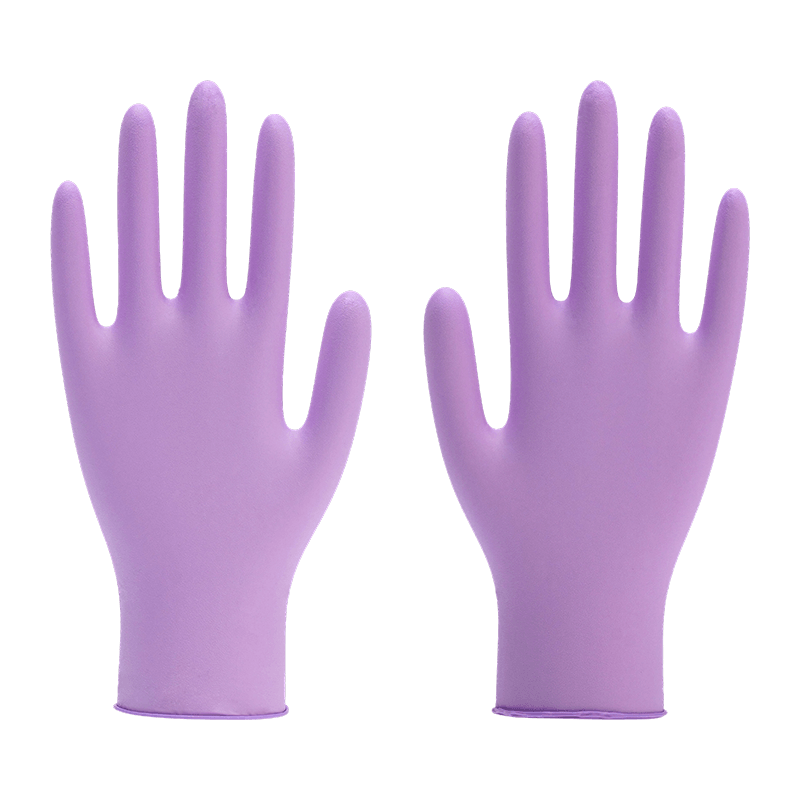
9 inch XXL Industrial Powdered Nitrile Gloves
Manufacturing Capacity and Process Control
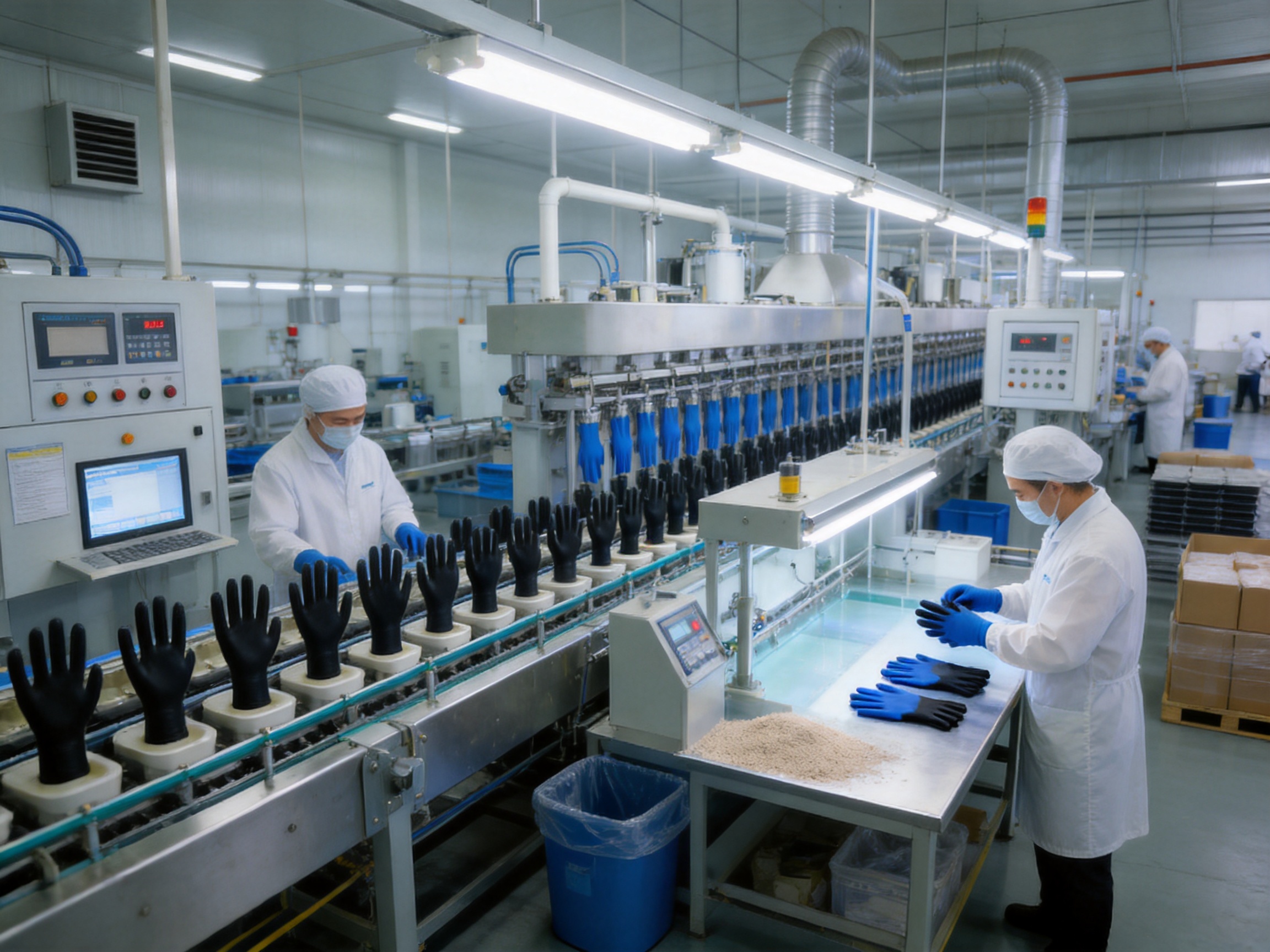
A major advantage of this product is the manufacturer’s ability to support large-scale production. The company operates advanced production lines with a reported stable daily output of more than one million pieces. High capacity is important for distributors, institutions, and industrial users because glove shortages can interrupt production and force organizations to purchase unfamiliar substitutes at short notice.
Large-scale capacity alone does not guarantee quality. The more important factor is whether high output is supported by standardized process controls, trained personnel, equipment maintenance, inspection systems, and traceability. The manufacturing operation described for this product includes full-process temperature control, standardized production environments, strict quality management, and comprehensive process supervision.
Temperature control is especially important in synthetic glove production. The physical properties of nitrile can be influenced by compounding, dipping conditions, curing, drying, and storage. Stable temperature management helps the factory maintain more consistent film formation and curing conditions. This supports uniformity in elasticity, strength, surface finish, and overall glove structure.
Production begins with material preparation. Nitrile raw materials and associated formulation components must be received, identified, stored, and prepared under controlled conditions. The formulation is mixed to achieve the intended physical and processing characteristics. The exact recipe can be adjusted according to the required glove weight, color, thickness profile, and performance targets.
After material preparation, glove-forming molds are cleaned and prepared. The former shape influences the final dimensions, finger profile, palm shape, cuff structure, and size consistency. For an XXL product, former selection and process calibration are particularly important because the glove must provide sufficient room without becoming excessively loose or difficult to handle.
The formers are coated through a controlled dipping process. The coating stage determines how the nitrile compound forms around the hand-shaped mold. Process variables may include immersion speed, withdrawal speed, compound viscosity, dwell time, and the number of coating stages. These variables need to be monitored because they can affect thickness distribution and weight.
The gloves then undergo curing or vulcanization-related processing. This stage develops the required physical properties of the nitrile film. Insufficient curing may reduce strength or durability, while excessive or uneven curing may affect elasticity and comfort. Controlled heating and production monitoring help the manufacturer maintain stable conditions across the production line.
Surface texturing is applied to create the intended grip characteristics at the fingertips. The texture needs to be functional without creating excessive roughness that could reduce comfort. Consistent texturing is also important for product recognition and user confidence. A controlled process can help keep the fingertip surface similar across production batches.
The powdering process follows the product configuration. Powder is applied at a controlled level so that the interior supports donning without generating unnecessary excess. Proper application requires attention to distribution, adhesion, and final inspection. Powdered and powder-free products should be managed as distinct configurations to avoid cross-contamination or labeling errors.
After the gloves are stripped from the formers, they are visually checked and sorted. Workers and inspection systems may examine the gloves for tears, visible defects, incomplete fingers, excessive powder, surface irregularities, cuff problems, and other issues. The gloves are then counted and packaged according to the specified box and carton configuration.
Quality Management Across the Production Cycle
Quality management is most effective when it is integrated into every stage rather than limited to a final inspection. Incoming materials should be controlled, production parameters should be recorded, equipment should be maintained, and finished products should be evaluated against defined criteria. This approach helps identify potential deviations earlier and reduces the risk of repeating a problem across a large batch.
The manufacturer reports comprehensive process supervision and strict quality management. These systems support control of dimensions, appearance, packaging, material properties, and production consistency. For buyers, this can be more valuable than a single attractive sample because long-term supply programs depend on repeatability.
Inspection priorities for disposable nitrile gloves commonly include visual integrity, dimensions, physical strength, elongation, powder level, cuff condition, and pinhole control. Pinhole control is particularly important because an invisible or difficult-to-detect hole can reduce the protective value of the glove. A professional producer therefore needs methods for detecting and reducing defects during both process control and final quality inspection.
Documented quality systems also support communication between the factory and the buyer. When product specifications, inspection criteria, packaging details, and change-control procedures are clearly defined, customers can manage their own receiving inspections more efficiently. This is important for private-label, OEM, and recurring distribution programs.
Environmental and Safety Management
Responsible manufacturing involves more than production output. The company describes comprehensive environmental and safety management systems designed to support cleaner production, safer operations, and more responsible use of resources. These systems are increasingly important to industrial buyers that evaluate suppliers according to environmental, social, and operational criteria.
The manufacturer’s sustainability initiatives include reducing energy consumption and emissions, improving resource recycling, using more environmentally friendly materials and processes, maintaining clean production environments, and cooperating with supply-chain partners on shared sustainability objectives. These efforts can help reduce the environmental impact associated with large-scale glove production.
Energy efficiency is relevant to glove manufacturing because production requires heating, drying, ventilation, water treatment, lighting, and equipment operation. Monitoring energy usage can help identify opportunities for process improvement. Reduced energy consumption may also contribute to more stable operating costs and improved production efficiency over time.
Resource recycling and waste reduction are likewise important. Manufacturing facilities can evaluate material usage, packaging design, water management, rejected-product rates, and process residues. Better control can reduce avoidable waste while supporting consistent product quality. Sustainability does not replace quality requirements; it should be integrated with them.
Worker safety is another essential part of production strength. A well-managed factory should provide appropriate training, protective equipment, equipment safeguards, emergency procedures, chemical handling controls, and clean working areas. Safe operations support business continuity and demonstrate that the manufacturer values both product users and production employees.
Advantages Compared with Ordinary Disposable Gloves
The product offers several practical advantages over basic disposable gloves that may have limited size availability, less consistent manufacturing, or fewer customization options.
1. Latex-Free Synthetic Material
Nitrile provides an alternative to natural rubber latex. This can be advantageous for facilities that want to reduce latex-related concerns or create a standardized synthetic glove policy. The material is suitable for many general industrial and protective tasks while offering a comfortable combination of elasticity and durability.
2. Larger XXL Availability
The XXL size addresses a common gap in disposable glove programs. Workers with larger hands can benefit from better coverage and reduced stretching compared with gloves that are too small. A better fit may improve dexterity, reduce fatigue, and lower the risk of tearing during donning.
3. Optional Lengths
The standard 9-inch length supports general hand and wrist coverage, while the 12-inch option provides additional cuff coverage. Offering both lengths allows buyers to match the product to different work conditions rather than relying on one universal design.
4. Weight and Color Customization
Colors and weights can be customized while dimensions remain unchanged. The stated weight customization range of 3 to 6.8 grams gives buyers an opportunity to select a glove configuration based on task requirements. Color customization can support department identification, brand programs, contamination-control systems, or product differentiation.
5. Controlled Powder Content
The listed 10 mg powder content provides a defined reference point for buyers. A controlled specification is preferable to vague descriptions such as “lightly powdered” because it gives purchasing teams a clearer basis for comparison and approval. Customers should still confirm the final specification and whether powder is appropriate for their application.
6. Textured Fingertips
Textured fingertips improve practical handling compared with completely smooth glove surfaces. This feature can be valuable when workers handle small, wet, oily, or slippery objects, provided that the glove is used within its intended protective range.
7. High Production Capacity
A stable daily output of more than one million pieces can provide a stronger supply foundation than a small producer with limited production resources. High capacity supports large contracts, scheduled replenishment, and continuity for distributors and industrial users.
8. Recognized Quality and Compliance Frameworks
The manufacturer identifies a range of recognized standards and certifications, including ISO 9001 and ISO 13485 quality-management systems, EN and ASTM standards, FDA-related requirements, CE-related conformity, and barrier-performance testing references. Buyers should request current documentation for the exact item and destination market, but the stated framework demonstrates an emphasis on structured quality and compliance management.
Applications Across Multiple Industries
The 9-Inch XXL Industrial Powdered Nitrile Gloves can be considered for a broad range of tasks where disposable hand protection is appropriate.
Industrial Assembly and Manufacturing
Workers can use nitrile gloves for handling components, packaging parts, performing visual inspections, and protecting products from fingerprints, dirt, or light oils. The textured fingertips may assist with handling small items, while the XXL size supports larger-handed operators.
Automotive and Mechanical Work
In automotive, equipment maintenance, and mechanical environments, gloves may help protect hands from grease, dirt, and routine workplace residue. Nitrile is often selected for these tasks because it provides a synthetic barrier and useful tactile flexibility. Users must verify chemical compatibility when working with fuels, solvents, concentrated cleaners, or specialized fluids.
Food Processing and Handling
Disposable gloves may be used in food-related environments for hygiene control, preparation support, packing, inspection, and cleaning. Food-contact suitability depends on the exact product documentation, local regulations, and customer requirements. Powder restrictions are also common in food operations, so buyers should confirm whether the powdered configuration is permitted for the intended process.
Cleaning and Sanitation
The gloves can help protect workers during routine cleaning, waste handling, surface wiping, and sanitation support. The 9-inch length is suitable for many general tasks, while the 12-inch version may be preferred where additional wrist coverage is needed. Chemical compatibility must be checked before use with disinfectants, concentrated cleaners, or corrosive substances.
Laboratory and Biosafety Support
Nitrile gloves are widely used in laboratory-support and biosafety-related tasks because they provide a disposable barrier and latex-free material option. However, laboratory users should select gloves according to the specific biological, chemical, thermal, and procedural hazards involved. The glove is one element of a complete safety system and should not be treated as the sole protective measure.
Medical-Support Operations
The product category is relevant to examination and protective glove supply programs. Hospitals, clinics, care facilities, and support departments may evaluate the gloves for suitable non-sterile tasks, cleaning, examination support, or general protective use. If a sterile glove is required, the buyer must confirm that the exact product is manufactured, packaged, labeled, and validated as sterile. The information provided for this product does not by itself establish sterility.
Waste Management and General Service Work
Waste sorting, janitorial work, facility maintenance, and general service operations often require gloves that are economical, easy to replace, and available in larger sizes. The box-and-carton packaging supports storage in supply rooms and distribution to multiple workstations.
OEM, ODM, and Custom Supply Benefits
Customization is valuable when buyers have requirements beyond a standard catalog item. The manufacturer can discuss customized colors and weights while maintaining the established dimensions. This gives purchasers flexibility without requiring them to redesign the entire product specification.
Color coding can help separate production lines, identify task categories, or support internal hygiene procedures. For example, a facility may use different colors for maintenance, food handling, cleaning, inspection, or waste operations. Color should be used as an organizational aid and should not be considered a substitute for glove inspection or proper change procedures.
Weight customization allows customers to target a specific balance between cost and performance. A lower-weight glove may be appropriate for short-duration tasks, frequent changes, or light handling. A higher-weight configuration may be preferred for more demanding work where users want a stronger and more substantial glove. The correct selection depends on the risk assessment and should be confirmed through samples and testing.
OEM and ODM buyers can also benefit from the manufacturer’s large production platform. A high-capacity factory may be better positioned to manage recurring purchase schedules, larger quantities, packaging requirements, and product continuity. Before placing an order, buyers should confirm minimum order quantities, lead times, artwork requirements, carton markings, inspection standards, and documentation.
Product customization should be managed through written specifications. Important details include length, size, color, target weight, powder content, packaging configuration, labeling language, carton dimensions, applicable standards, and acceptance criteria. Clear documentation reduces misunderstandings and helps ensure that future batches remain aligned with the approved sample.
Packaging, Storage, and Distribution
The stated packaging configuration is 100 pieces per box and 10 boxes per carton. This arrangement is convenient for distributors that sell by the box and for industrial facilities that issue gloves in controlled quantities. Individual boxes can be placed at workstations, while reserve cartons can remain in central storage.
Gloves should be stored in a clean, dry area away from direct sunlight, excessive heat, ozone sources, moisture, and chemicals that could affect the packaging or material. Cartons should be protected from crushing and excessive stacking. Stock rotation should follow the manufacturer’s recommended shelf-life and storage instructions.
During distribution, packaging should be handled carefully to prevent punctures, tears, water exposure, or contamination. Buyers should inspect cartons upon receipt and report visible damage promptly. A receiving procedure may include checking product name, size, color, quantity, lot information, packaging integrity, and documentation.
For high-consumption users, inventory planning should account for daily usage, seasonal demand, emergency reserves, and lead time. The manufacturer’s reported large-scale production capability can support planned replenishment, but customers should still forecast demand and communicate schedules in advance.
How to Select the Appropriate Configuration
Choosing the right configuration requires more than selecting the lowest available price. Purchasing teams should review the work hazards, glove-change frequency, required coverage, user hand sizes, surface conditions, powder restrictions, and applicable regulations.
For general hand and wrist coverage, the 9-inch glove may be sufficient. If the task involves greater exposure around the wrist or requires a longer cuff over a sleeve, the 12-inch version may be more suitable. A longer glove can provide additional coverage, but it may also affect dexterity and comfort. The decision should be based on the actual process.
For larger-handed workers, XXL sizing can prevent excessive stretching. Users should try samples before approving a large order, especially when the gloves will be worn for long shifts or repetitive tasks. The glove should not restrict circulation, create painful pressure points, or slide excessively during movement.
Weight selection should be made according to the intended use. A lighter configuration may improve flexibility and reduce material consumption. A heavier configuration may provide a more robust feel and may be preferred for tasks with greater mechanical demands. Weight alone does not determine complete glove performance; formulation, curing, thickness distribution, and quality control are also important.
Powdered gloves may be appropriate where easy donning is valuable and powder residue is acceptable. Where powder could contaminate products or processes, a powder-free alternative should be evaluated. This distinction is particularly important in food, electronics, laboratory, pharmaceutical, and certain medical environments.
Color can be selected for operational organization or customer branding. Blue and black are listed standard options, while custom colors can be discussed for specific programs. Dark colors may conceal some visible residues, whereas lighter colors can make certain contaminants easier to notice. The choice should reflect the work process and inspection policy.
Recommended User Practices
Users should inspect gloves before wearing them. A glove with visible damage, contamination, or an incomplete finger should not be used. Hands should be clean and dry before donning where the task permits. Rings, sharp jewelry, and rough fingernails can damage the glove and should be managed according to workplace procedures.
Gloves should be selected in the correct size. A glove that is too small may tear during donning, while one that is too large may reduce dexterity and become caught on equipment. The XXL size is intended for larger hands, but individual users should still confirm fit.
Gloves should be changed between tasks when contamination could be transferred. They should also be replaced after contact with unsuitable chemicals, sharp objects, damaged surfaces, or biological materials outside the established procedure. After removing gloves, users should follow appropriate hand hygiene practices.
Disposable nitrile gloves should not be considered puncture-proof, cut-proof, heat-proof, or universally chemical-proof. Where the task involves sharp edges, high temperatures, concentrated chemicals, or severe mechanical hazards, additional specialized gloves and protective equipment may be necessary.
Why Supplier Capability Matters to Buyers
Industrial glove purchasing is closely connected to business continuity. A supplier that can deliver consistent specifications, maintain quality systems, and support customization provides more value than a supplier that only offers an attractive initial quotation.
The manufacturer’s reported investment, production area, daily output, advanced production lines, and process-control systems demonstrate a platform designed for substantial manufacturing activity. The company has a reported total investment of RMB 1.08 billion and a construction area of 32,000 square meters. These resources support production scale, equipment infrastructure, quality operations, environmental management, and customer service capability.
A stable supplier relationship can reduce the need to repeatedly qualify replacement products. Once the buyer has approved the size, length, weight, powder content, color, packaging, and performance documentation, future orders can follow a defined specification. This is especially useful for distributors and multinational operations that require consistency across locations.
Long-term cooperation also creates opportunities for process improvement. Customers can provide feedback about fit, packaging, donning, grip, durability, and workplace efficiency. The manufacturer can then evaluate suitable adjustments within the agreed product range. This collaborative approach is more effective than treating every purchase as an isolated transaction.
Quality Standards and Compliance Considerations
The manufacturer identifies compliance with recognized standards and certifications, including FDA, CE, ISO 13485, ISO 9001, EN455, EN374, ASTM D6319, ASTM F1671, and ASTM D6978. These references cover different aspects of quality management, medical-device systems, glove performance, barrier testing, and chemical or biological protection considerations.
Buyers should understand that standards may apply differently depending on the product version and destination market. A glove intended for industrial use may have different labeling, testing, and registration requirements from one supplied for medical examination. The purchaser should request the current declaration, test reports, certificates, technical data, and labeling information applicable to the exact product.
Regulatory requirements can also change according to country, application, and product claims. For example, claims involving medical examination, chemical protection, viral penetration, sterile use, or food contact may require specific evidence and wording. Customers should avoid making claims beyond the documentation supplied for the approved configuration.
Traceability is another important consideration. Lot numbers, production dates, inspection records, and shipping documents can help customers manage complaints, recalls, audits, and internal quality reviews. A professional supplier should be able to explain its documentation and communication procedures.
Q&A
What material are these gloves made from?
The gloves are made from nitrile, a synthetic rubber material. They are latex-free and designed for disposable protective use in industrial, food-related, biosafety-support, medical-support, and general workplace applications, subject to suitability and regulatory review.
What size is available?
The listed product size is XXL. This size is intended for users with larger hands who need additional room across the palm and fingers. Users should confirm fit with samples or hand measurements before placing a large order.
Are the gloves 9 inches or 12 inches long?
The product title identifies the 9-inch configuration, and the product information also lists 12 inches as an available length. Buyers should specify the required length when requesting a quotation or placing an order.
What colors are available?
Blue and black are listed colors. Additional colors can be discussed because the manufacturer supports customization for specific customer requirements.
Can the glove weight be customized?
Yes. Specific weight customization is available from 3 to 6.8 grams while the dimensions remain unchanged. The best weight depends on the intended application, flexibility requirements, durability expectations, and purchasing objectives.
How much powder does the glove contain?
The listed powder content is 10 mg. Because powder may be restricted in some applications, buyers should confirm whether the powdered configuration is suitable for their process.
Are the gloves ambidextrous?
The glove design is ambidextrous, meaning each glove can be worn on either hand. This simplifies distribution and replacement because left- and right-hand gloves do not need to be separated.
Do the gloves provide chemical protection?
Nitrile can resist many common substances, but no disposable glove is resistant to every chemical. Users must check compatibility data for the exact substance, concentration, temperature, exposure time, and task conditions. For serious chemical hazards, specialized chemical-protective gloves may be required.
Are these gloves sterile?
The supplied product information describes industrial powdered nitrile gloves and does not establish sterility. Customers requiring sterile gloves should request a product specifically manufactured, packaged, labeled, and validated as sterile.
What is the packaging configuration?
There are 100 pieces per box and 10 boxes per carton, for a stated total of 1,000 gloves per carton.
What manufacturing capacity is available?
The manufacturer reports a stable daily output of more than one million pieces. This capacity can support large-volume orders and regular replenishment programs, subject to production schedules and confirmed order requirements.
Which quality standards are associated with the manufacturer?
The manufacturer identifies FDA, CE, ISO 13485, ISO 9001, EN455, EN374, ASTM D6319, ASTM F1671, and ASTM D6978 among its standards and certification references. Buyers should request current documentation for the precise product configuration and destination market.
Can the gloves be used for food handling?
They may be considered for suitable food-handling tasks, but the buyer must confirm food-contact compliance, local regulations, labeling, and whether powder is permitted. A powder-free configuration may be more appropriate for some food applications.
How should the gloves be stored?
Store them in a clean, dry place away from direct sunlight, excessive heat, moisture, ozone sources, and chemicals. Keep cartons protected from crushing and follow the manufacturer’s recommended shelf-life and storage instructions.
Conclusion
The 9-Inch XXL Industrial Powdered Nitrile Gloves are designed to meet the practical needs of high-volume professional users. Their nitrile construction provides a latex-free option with useful flexibility, durability, and barrier performance. The XXL size supports larger-handed workers, the 9-inch length offers general wrist coverage, and the 12-inch option provides an extended alternative. Textured fingertips improve handling confidence, while the listed 10 mg powder content can support easier donning in suitable environments.
The product’s strongest competitive advantages extend beyond its basic specifications. Color and weight customization, packaging efficiency, substantial production capacity, full-process temperature control, standardized production conditions, strict quality management, and broad compliance references create a more complete supply solution. These advantages can help distributors, industrial buyers, and OEM customers secure a dependable product program rather than purchasing an inconsistent commodity item.
With advanced production lines, a reported daily output of more than one million pieces, environmental and safety management systems, and a commitment to long-term cooperation, the manufacturer is positioned to serve customers seeking stable quality and scalable supply. Buyers should evaluate the exact application, confirm the required standards, request samples and documentation, and select the appropriate length, weight, color, and powder configuration before final approval.
References
1. ASTM D6319, Standard Specification for Nitrile Examination Gloves for Medical Application.
2. ASTM F1671, Standard Test Method for Resistance of Materials Used in Protective Clothing to Penetration by Blood-Borne Pathogens.
3. ASTM D6978, Standard Practice for Assessment of Resistance of Medical Gloves to Permeation by Chemotherapy Drugs.
4. EN 455, Medical Gloves for Single Use.
5. EN 374, Protective Gloves Against Chemicals and Micro-Organisms.
6. ISO 9001, Quality Management Systems — Requirements.
7. ISO 13485, Medical Devices — Quality Management Systems — Requirements for Regulatory Purposes.
8. Manufacturer-provided product specifications for 9-Inch XXL Industrial Powdered Nitrile Gloves.
9. Manufacturer-provided information concerning production capacity, process control, environmental management, safety systems, and customization services.
Product: 9 inch XXL Industrial Powdered Nitrile Gloves
Featured Products
Recommended Products
-
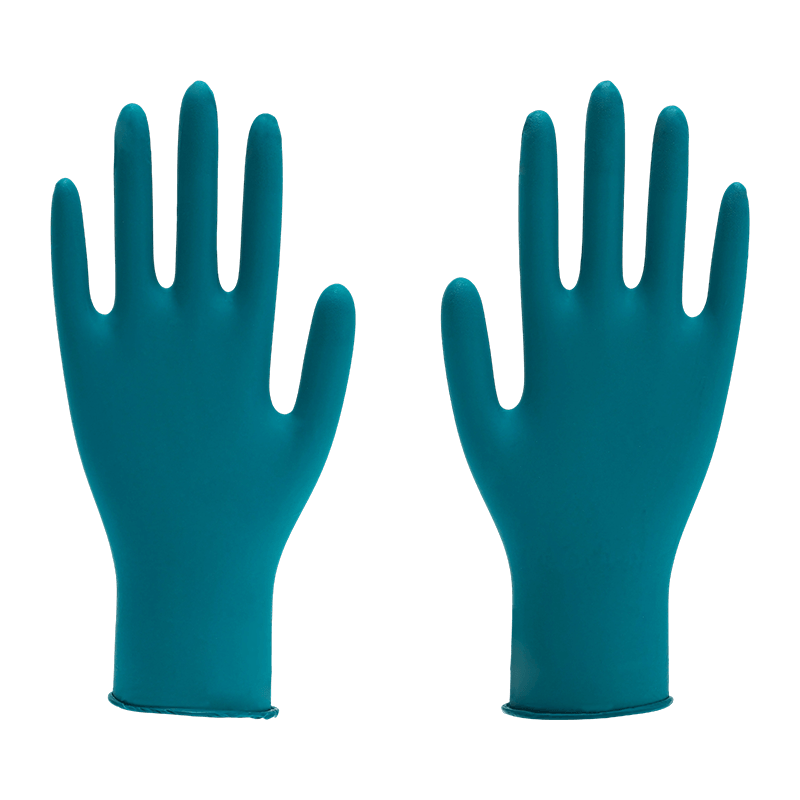 9 inch XXL Biosafety Protection Powdered Nitrile Gloves
-
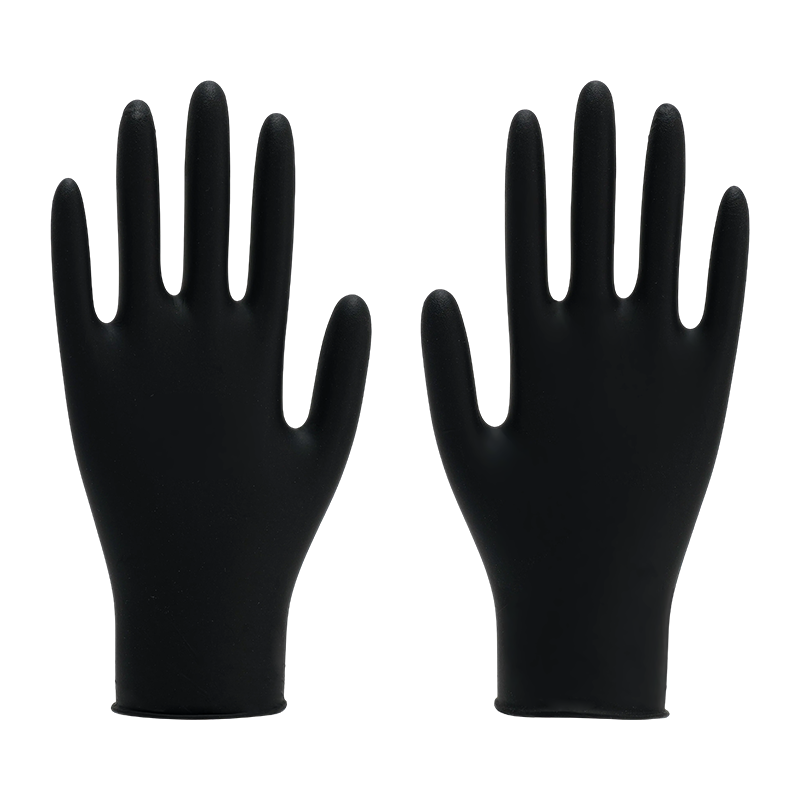 9 inch XS Biosafety Protection Powdered Nitrile Gloves
-
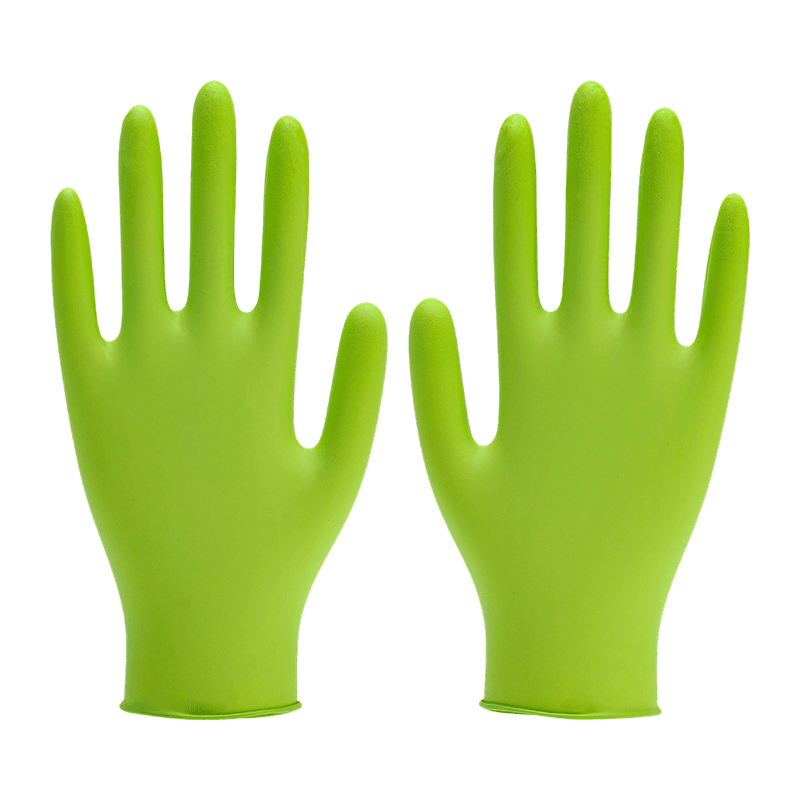 9 inch XXL Biosafety Protection Textured Nitrile Gloves
-
 9 inch XXL Food-Grade Powdered Nitrile Gloves
-
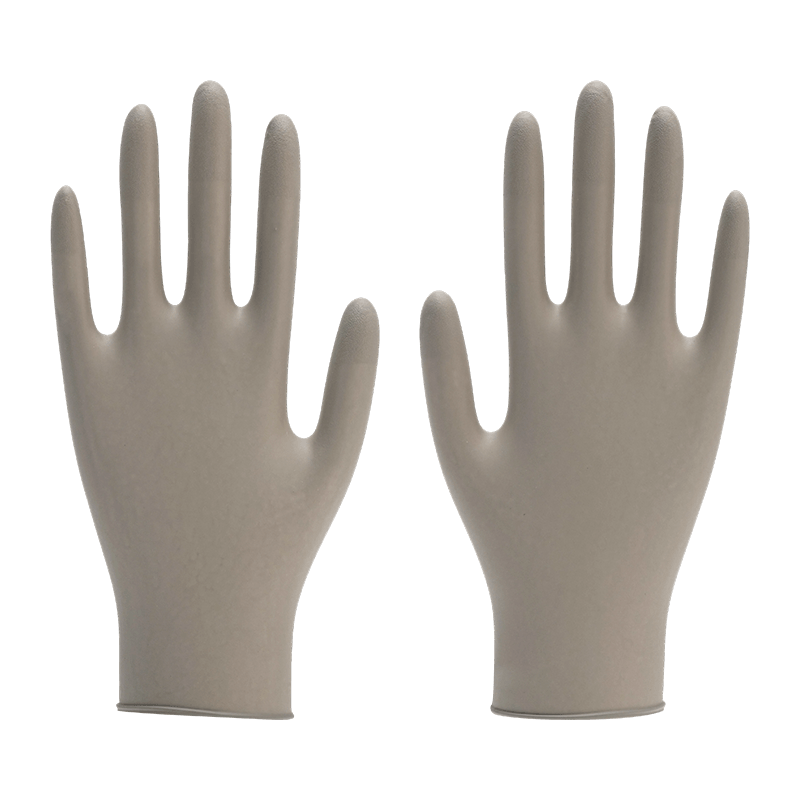 9 inch XXL Biosafety Protection Powder-Free Nitrile Gloves
-
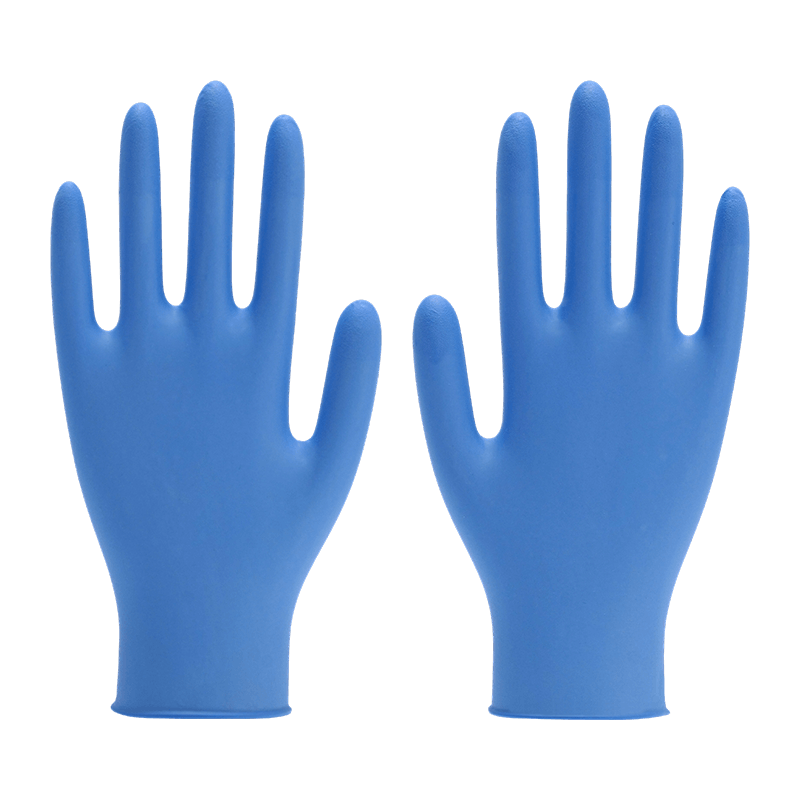 9 inch M Biosafety Protection Powdered Nitrile Gloves
News
-
-
A hospital buyer, a plant supervisor, and a food processing manager can all type the same two words into a search engine—nitrile gloves—and each need a different product at the end of it. The materia...
READ MORE -
Bottom line first Nitrile gloves are now the dominant choice for medical use across most healthcare settings — offering latex-level barrier protection without allergy risk, broader chemical resista...
READ MORE -
If you need one answer: nitrile gloves are the better default choice for most tasks, because they resist punctures better, hold up against a wider range of chemicals, and carry no risk of triggering ...
READ MORE
Get A Free
Custom Quote!
Custom Quote!

We are committed to providing integrated solutions for nitrile gloves and non-woven products.
Get a Quote
Disposable Gloves
Quick Links
E-mail
gatherlucky-sales5@nt-huifu.com
Call Us
+86-18012229099
+86-18012229096
+86-18012229099
AddressNo.7 Wenzhou Road,Economic Development Zone,Shuyang County,Suqian, Jiangsu Province, China, 223600
copyright © Jiangsu Complete Sincerity Medical New Materials Co.,Ltd. All rights reserved.
 Registration Number: 2021200 / 2021200
This website is intended for users outside of China